Spot the Signs of Wood Rot Before the Damage Spreads
In the Pacific Northwest, wood rot isn’t just a cosmetic concern—it’s a common and costly problem that can compromise your home’s structure and lead to expensive repairs if ignored.
Whether you live on a wooded half-acre lot in Longbranch or in a breezy neighborhood on a North Tacoma slope, a quick inspection of your siding, trim, porch posts, and deck boards could save you thousands down the road.
Here’s what to look for, and what to do next if something doesn’t seem quite right.
Common Signs of Wood Rot: What to Check Around Your Home
1. Discoloration or Staining
What to look for: Patches of wood that appear darker, lighter, or streaked compared to surrounding areas. These areas may also feel slightly damp.
Why it happens: Moisture changes the appearance of wood. In the early stages of
wet rot, you'll often see localized darkening or water stains.
Dry rot, which is caused by a specific fungus (Serpula lacrymans), often gives wood a bleached, brittle, or sunken look and spreads more aggressively, especially in enclosed areas with poor airflow.
Where to check: Fascia boards, soffits, lower siding panels, deck framing, around windows and doors, and anywhere paint looks uneven or “off.”
2. Soft, Spongy, or Crumbly Wood
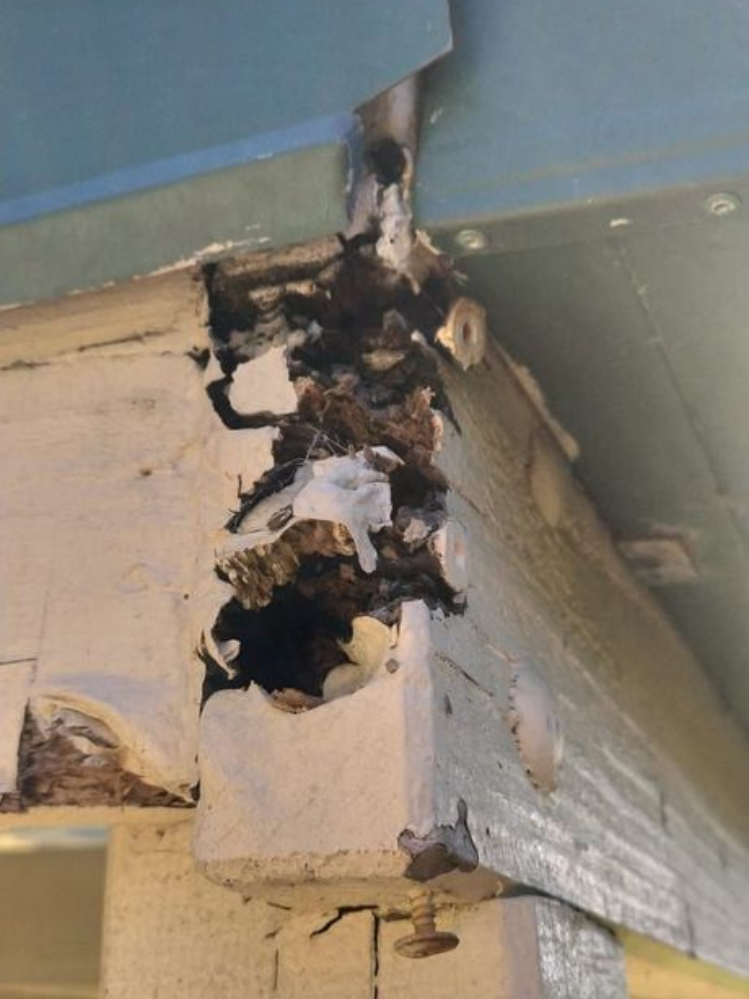
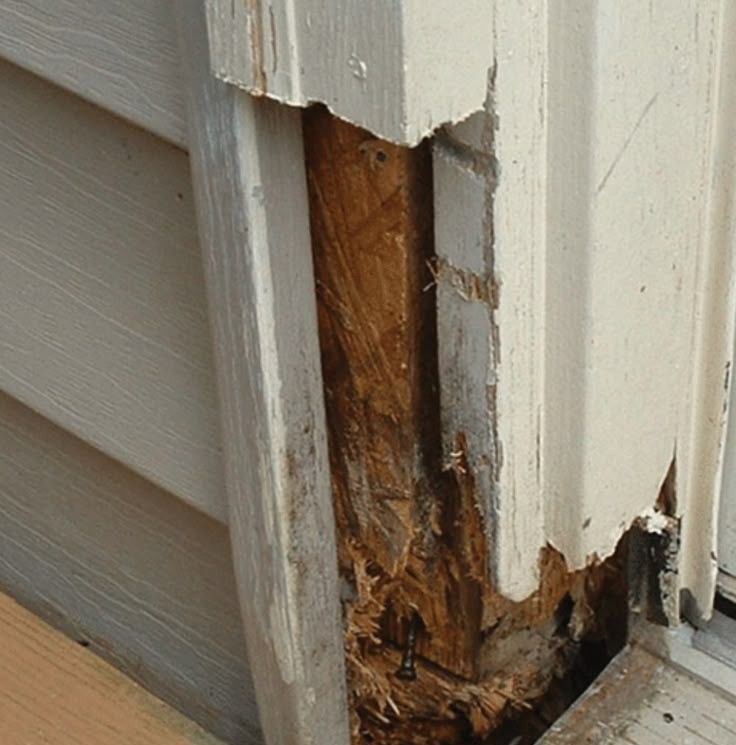
What to look for: Gently press on trim, siding, porch railings, and deck posts. If the surface feels soft or crumbles under light pressure, that’s a red flag.
Why it happens: Fungal organisms break down the wood’s cellular structure, turning it soft or brittle. This is especially common in areas with poor drainage, leaky gutters, or long-term exposure to standing water. Dry rot under floorboards and near entry points is especially common if there’s been a leak or poor ventilation.
Pro tip: Use a small screwdriver to gently test suspicious areas. Softness beneath the surface is often one of the earliest signs of rot.
3. Peeling, Bubbling, or Cracking Paint
What to look for: Paint that lifts, bubbles, or cracks, especially around corners, joints, and trim edges.
Why it happens: When moisture gets trapped underneath paint, it breaks the adhesive seal. Eventually, that water will seep into the wood underneath, creating the ideal conditions for rot to start.
Why it matters: These aren’t just paint, issues but warning signs that moisture may already be causing hidden damage. If you’re prepping to repaint, it will often be necessary to
repair wood rot
before new paint is applied.
4. Visible Fungal Growth (Mold, Mildew, or Mushrooms)
What to look for: Black, green, or white growth on exterior wood, or even tiny mushroom-like growths in shaded or consistently damp areas.
Why it happens: Fungi thrive in moist, low-light environments, like under overhanging eaves, beside clogged gutters, or along dense landscaping.
Quick fix: Small patches of surface mildew can often be cleaned with a mildew remover or diluted vinegar solution, while
professional pressure washing can safely remove mildew and organic growth from larger exterior surfaces before it spreads further. But if the wood beneath is soft, it likely needs to be repaired or replaced.
5. Musty or Damp Smells
What to look for: A persistent earthy or musty odor, especially near baseboards, crawlspaces, or unfinished basements.
Why it happens: Rotting wood produces volatile organic compounds (VOCs), which often smell like mold, mildew, or decay before visible damage occurs.
Bonus tip: If you smell something unusual but can’t see obvious damage, check hidden areas like under floorboards or behind siding. These are common places for wet rot to hide.
6. Unusual Cracks or Splits in the Wood
What to look for: Jagged, uneven cracks or splits that look unnatural or new, especially in trim, railing caps, or porch columns.
Why it happens: As wood breaks down, it loses its ability to expand and contract properly. This leads to warping and cracking, which can let in even more moisture.
Also check: Garage door trim, base of posts, and old fencing near sprinklers or garden beds.
7. Sagging or Warped Boards
What to look for: Deck boards that bow or slope, railings that wiggle when touched, or porch posts that seem a bit crooked.
Why it happens: Once wood is rotten, it can’t support weight. This results in sagging, warping, or bending over time, even if it still looks okay at first glance. A warped deck board, for example, might look like it's just sun-damaged, but if the framing underneath is soft or spongy, it may need to be rebuilt to keep the deck safe and stable.
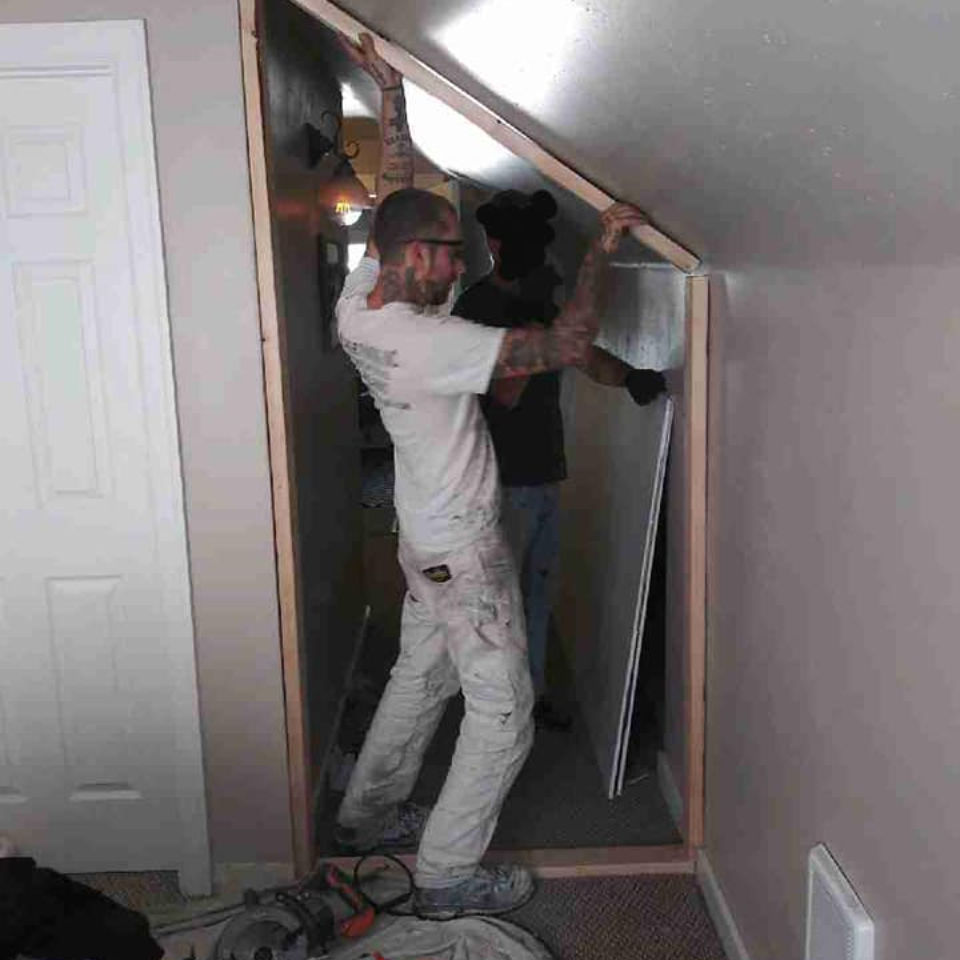
Important note: This is more than cosmetic. If the structure is compromised, you may need help from a
licensed general contractor to assess the damage, stabilize the area, and rebuild as needed.
8. Insect Activity Near Wood Surfaces
What to look for: Sawdust piles, tiny holes, or signs of termite or carpenter ant activity around trim, beams, or basesboards.
Why it happens: Soft, rotted wood is a dream home for insects like termites, carpenter ants, and powderpost beetles. These uninvited guests move into the already rotting wood by tunneling for food or shelter, which further accelerates the damage to your home
Tip: Moisture, rot, and pest activity often go hand-in-hand. If you're seeing more than one sign, it's time to investigate further.
How to Prevent Wood Rot (and What to Do If You Spot It)
Need Help with Wood Rot Repair or Prevention?
From surface-level soft spots to full trim replacement, our team provides
professional carpentry and wood rot repair to restore damaged siding, trim, and exterior wood features.
At
PRP Home Services, we regularly repair siding, trim, and other exterior wood features on homes as part of our complete painting services, helping homeowners and businesses in Gig Harbor, the Key Peninsula, and throughout Pierce and Kitsap counties protect their homes from wood rot. We’ll identify the problem and offer a cost-effective solution to make sure your home looks great and remains structurally sound.
Schedule a free estimate to inspect wood rot, damaged trim, or exterior moisture issues before they lead to larger repairs.