7 Essential Ways to Protect Your Pacific Northwest Home Year-Round
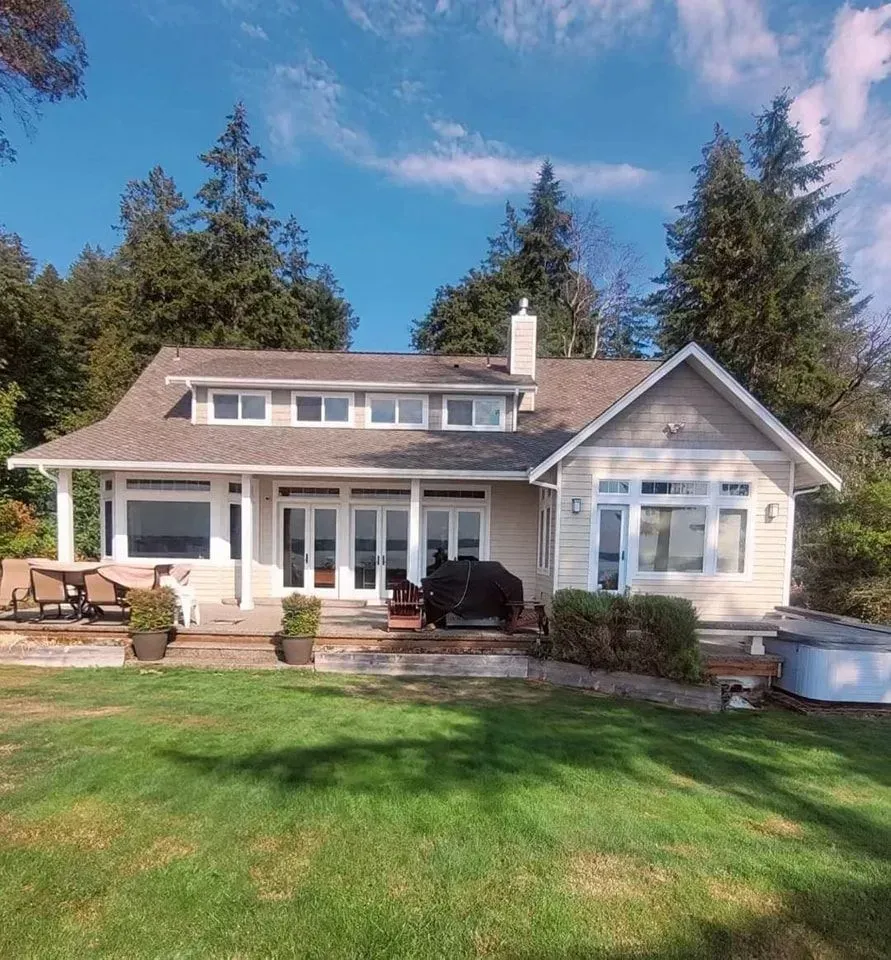
A Practical Guide to Pacific Northwest Home Maintenance
Home maintenance in the Pacific Northwest comes with a unique set of challenges. While homeowners in drier climates may spend more time worrying about sun damage and extreme heat, homes in this region are exposed to months of rain, persistent moisture, dense tree coverage, and conditions that encourage moss, algae, and organic buildup.
These environmental factors affect nearly every part of a home's exterior. Gutters collect leaves and pine needles, painted surfaces remain exposed to moisture for extended periods, vegetation grows quickly, and small maintenance issues can worsen gradually without attracting immediate attention. In many cases, problems that start as minor repairs become much larger projects simply because they go unnoticed through multiple wet seasons.
That's why owning a home in the Pacific Northwest is often less about reacting to damage and more about staying ahead of it. Routine inspections, seasonal upkeep, and preventive home maintenance can help protect your home's appearance, preserve important exterior materials, and reduce the likelihood of costly repairs down the road.
Many homeowners find that a brief inspection in the spring and fall helps identify developing maintenance issues before they become larger repairs. In this guide, we'll cover seven important home maintenance tasks that can help homeowners protect their property year-round, along with opportunities to identify potential problems before they become expensive repairs.
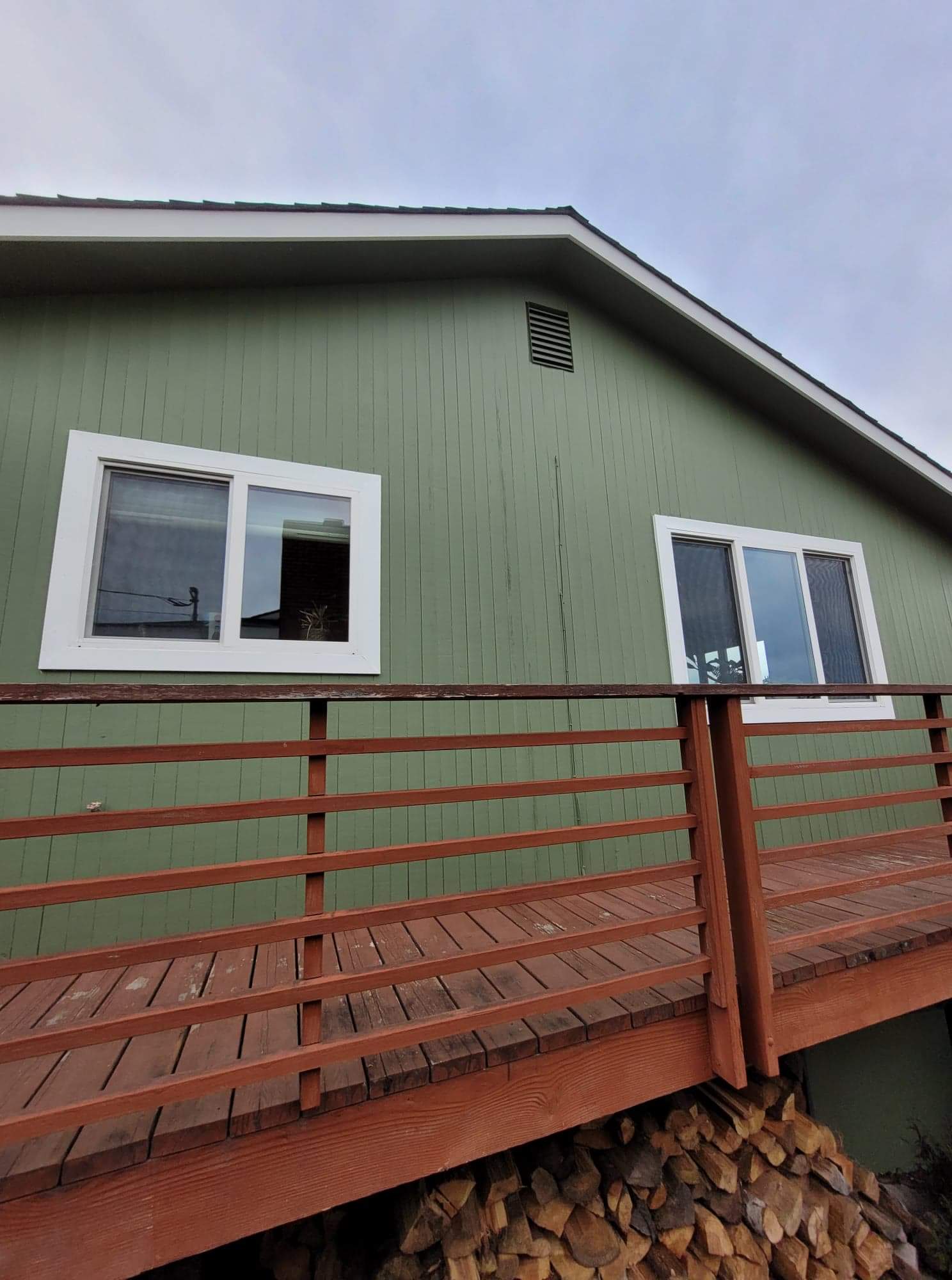
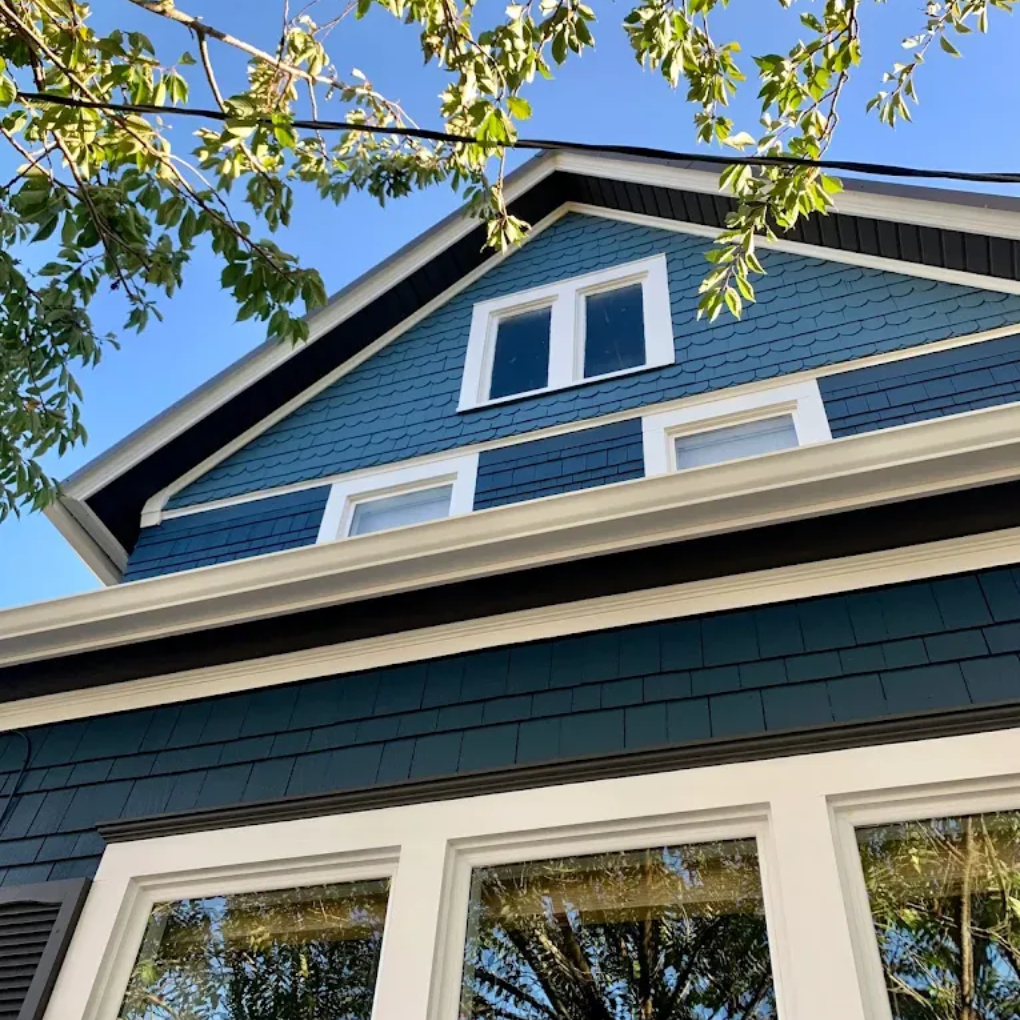
1. Keep Exterior Paint and Caulking in Good Condition
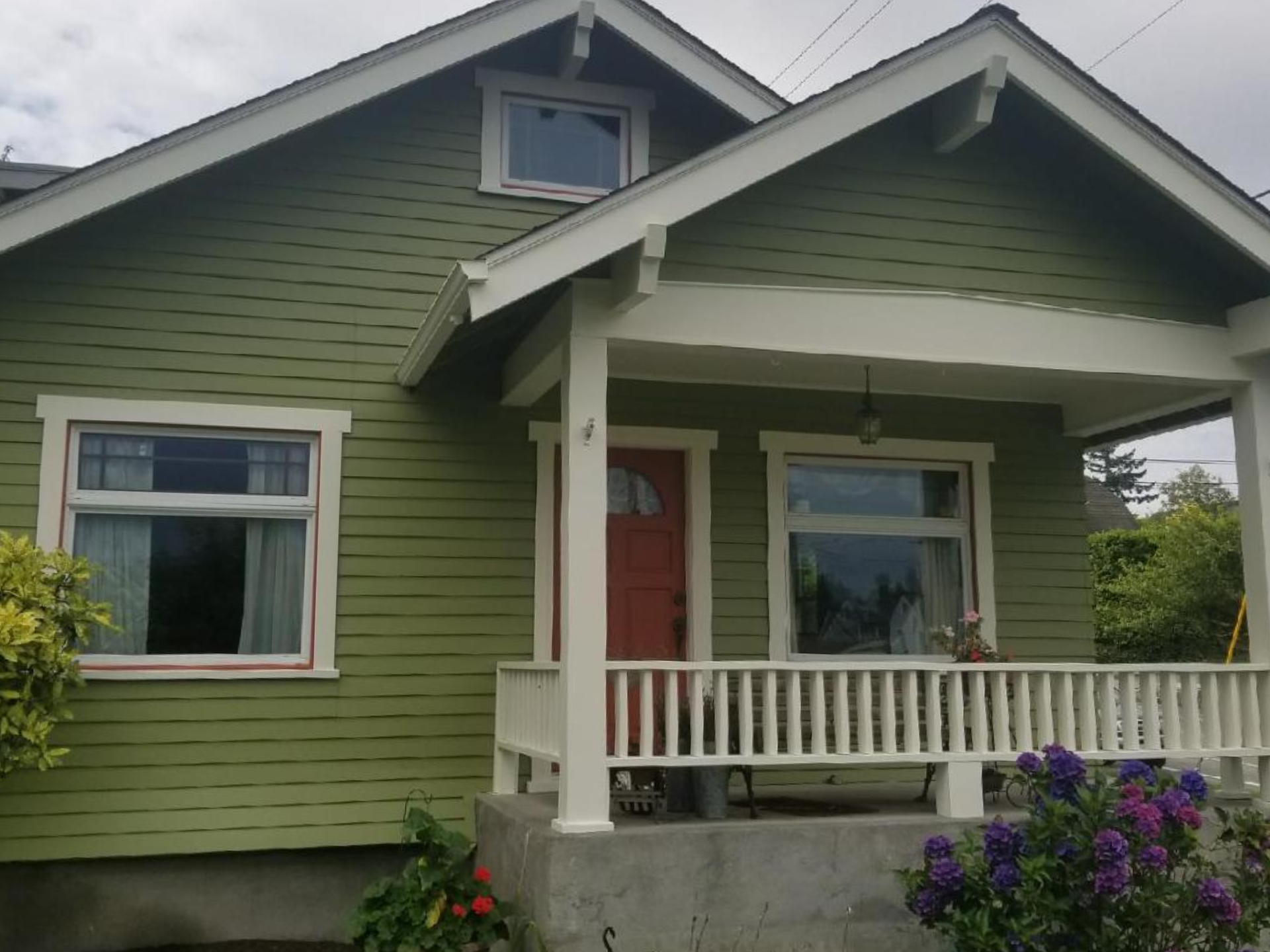
When homeowners think about exterior painting, they often focus on appearance first. In reality, paint serves an important protective function by helping shield siding, trim, and other exterior materials from prolonged moisture exposure.
Over time, weather, sunlight, and seasonal temperature changes gradually wear down painted surfaces. As that protective layer begins to deteriorate, underlying materials become more vulnerable to water intrusion and accelerated wear. That's one reason exterior painting remains one of the most important aspects of exterior house maintenance in the Pacific Northwest.
Caulking plays an equally important role. The sealant around windows, doors, trim boards, and other exterior joints helps prevent water from entering small gaps where moisture can become trapped. When caulking cracks, shrinks, or pulls away from a surface, it can create openings that allow water to reach areas that should remain protected.
A few minutes of careful inspection around your home’s exterior each year can reveal early warning signs before larger problems develop. Peeling paint, fading color, exposed wood, and deteriorating caulking are all signs your house might need exterior painting. Addressing these issues promptly can help protect your home from moisture damage and reduce the likelihood of more extensive repairs later.
2. Keep Gutters and Downspouts Clear
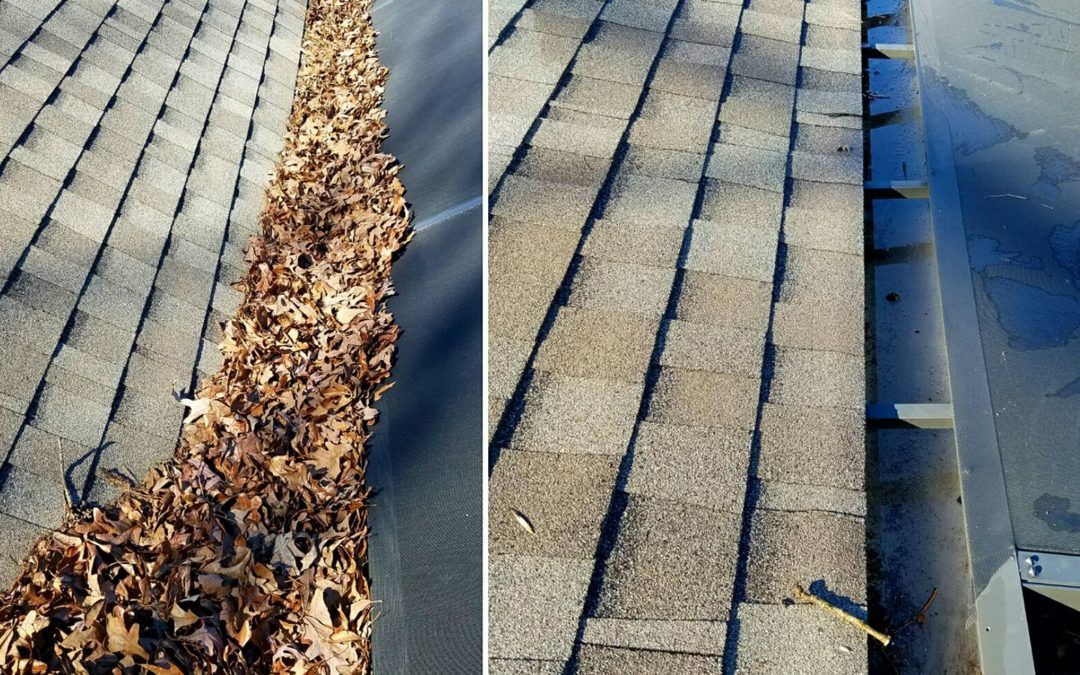
A gutter system has one primary job: collecting rainwater from the roof and directing it safely away from the home. When gutters and downspouts can't perform that function properly, water often ends up where it shouldn't be.
In the Pacific Northwest, leaves, pine needles, moss, roof granules, and other debris can accumulate surprisingly quickly, especially on homes surrounded by mature trees. As debris builds up, it can restrict water flow and increase the likelihood of overflow during periods of heavy rainfall.
That overflow can affect more than just the gutters themselves. Water that repeatedly spills over the edges may saturate nearby landscaping, contribute to premature wear on siding and trim, or collect around the home's foundation. Over time, even relatively minor drainage problems can create larger maintenance concerns.
Regular gutter maintenance helps keep water moving efficiently through the system and away from vulnerable areas of the property. Homeowners should also pay attention to downspouts, making sure they remain clear and continue directing water away from the home's perimeter rather than allowing it to pool nearby.
Properties with significant tree coverage often require more frequent attention than homes located on open lots. For homeowners looking to reduce the amount of debris entering their gutters, gutter guards may also be worth considering. While they don't eliminate maintenance entirely, they can help reduce cleaning frequency and make ongoing upkeep more manageable. Before investing in a system, it's worth understanding the advantages and limitations of different gutter guard options and how they perform in local conditions.
3. Address Wood Rot and Exterior Repairs Early
Many of the most expensive exterior repairs don't begin as major problems. More often, they start as small areas of deterioration that gradually worsen after repeated exposure to moisture.
Exterior wood components are exposed to changing weather conditions throughout the year, particularly on homes that experience frequent rain and prolonged moisture exposure. Trim boards, fascia, siding, window surrounds, and door frames are often among the first areas to show signs of wear because they contain joints, edges, and other locations where moisture can linger longer than intended.
When minor damage is identified early, repairs are often relatively straightforward. A small section of deteriorated trim or a localized repair around a window may be addressed before the problem spreads to surrounding materials. Left unattended, however, moisture intrusion can continue affecting nearby components and eventually lead to more extensive wood rot repair or replacement work.
That's why routine inspections play such an important role in exterior home maintenance. Homeowners don't necessarily need to conduct a detailed examination every month, but periodically looking for soft wood, cracked trim, loose boards, damaged caulking, or other signs of deterioration can help identify issues before they become larger projects.
4. Remove Moss, Dirt, and Organic Buildup
The Pacific Northwest's mild temperatures and abundant moisture create ideal conditions for moss, algae, mildew, and other organic growth. While these issues are often viewed as cosmetic concerns, they can also affect how exterior surfaces age over time.
Unlike loose dirt that can be rinsed away easily, organic buildup tends to retain moisture and linger on surfaces long after rainfall has ended. This is particularly common on north-facing walls, shaded fences, walkways beneath tree cover, and other areas that receive limited sunlight and airflow. As moisture remains trapped against these surfaces, they can stay damp longer than intended and become more difficult to inspect and maintain.
Another challenge is visibility. When siding, patios, driveways, and other exterior surfaces become covered with moss, algae, or accumulated grime, early signs of wear can be harder to spot. Small cracks, deteriorating materials, and other developing maintenance issues often become more noticeable after surfaces have been cleaned.
Periodic exterior cleaning helps remove this buildup before it becomes excessive. Depending on the surface and condition being addressed, this may involve routine cleaning methods or professional pressure washing to restore the appearance of exterior materials and help reduce long-term wear.
For many homeowners, exterior cleaning is less about making the property look better and more about keeping surfaces visible, accessible, and easier to evaluate as part of an ongoing maintenance routine.
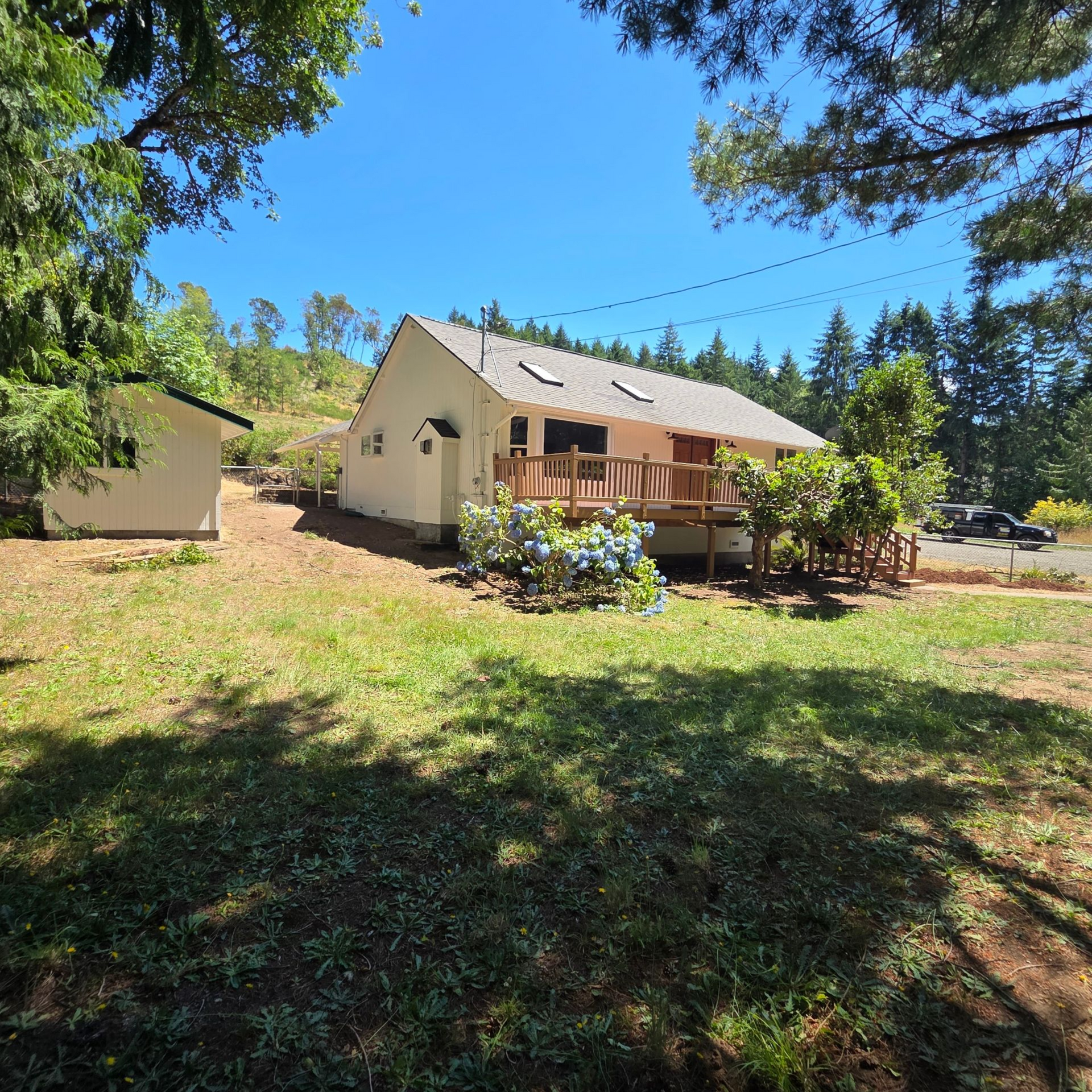
5. Manage Trees, Shrubs, and Landscape Growth Around the Home
The Pacific Northwest is known for its abundant greenery, but all that growth can create maintenance challenges when landscaping begins encroaching on the home itself. Trees, shrubs, vines, and other vegetation often grow quickly during the region's long growing season, making periodic trimming an important part of exterior home maintenance.
Overgrown vegetation can make it difficult to inspect and access important parts of the property. Window trim, siding, foundations, utility connections, fences, and other exterior features are easier to evaluate when they aren't hidden behind dense plant growth. Homeowners are also more likely to notice developing maintenance issues when exterior surfaces remain visible and accessible.
Maintaining reasonable clearance around the home can make routine upkeep simpler as well. Tasks such as exterior cleaning, painting, gutter maintenance, and minor repairs are often easier to perform when landscaping is kept under control. This is particularly important on properties where shrubs, ornamental trees, or climbing plants are located close to the structure.
Regular yard maintenance and seasonal pruning help keep the property looking its best while making it easier to monitor the condition of the home's exterior. In many cases, a little landscape management can prevent small maintenance concerns from remaining hidden until they become larger repair projects.
6. Watch for Small Problems Before They Become Major Repairs
One of the most valuable home maintenance habits isn't a specific repair or service. It's simply paying attention when something looks different than it did before.
Many larger repair projects begin with subtle warning signs that are easy to overlook. A loose piece of trim, a small water stain, a section of damaged caulking, a soft spot near a window, or a minor drainage issue may not seem urgent on its own. However, these types of changes often indicate that a maintenance issue is developing somewhere nearby.
The same principle applies inside the home. Discoloration on drywall, peeling paint near windows, musty odors, or unexplained moisture stains can sometimes point to exterior problems that haven't been fully identified yet. In many cases, the visible symptom is only part of the story.
Rather than waiting for a problem to become severe enough that it demands immediate attention, homeowners can often save time and money by investigating small changes early. A minor repair completed at the right time is usually far less disruptive than addressing extensive damage after it has spread to surrounding materials.
Preventive home maintenance isn't about assuming every small issue is serious. It's about recognizing that small issues won’t disappear or improve on their own. The earlier they're identified, the more options homeowners typically have for addressing them efficiently.
7. Consider a Home Maintenance Plan
Many homeowners understand the importance of routine maintenance but find it difficult to stay consistent throughout the year. Different tasks tend to become priorities at different times of year. Gutters may need attention after seasonal leaf drop, exterior cleaning is often scheduled once winter weather subsides, and landscaping can require regular attention throughout the growing season.
As a result, home maintenance often becomes reactive rather than proactive. Tasks get postponed, inspections are skipped, and minor issues may go unnoticed until they require more time and expense to address.
A home maintenance plan can help simplify that process by creating a more structured approach to caring for the property. Instead of trying to keep track of every seasonal task individually, homeowners can schedule regular service visits that help identify potential concerns, prioritize maintenance needs, and keep important upkeep from falling through the cracks.
One of the advantages of a customizable maintenance plan is flexibility. Services such as exterior cleaning, gutter maintenance, minor repairs, painting projects, and yard maintenance can often be coordinated around the specific needs of the property rather than following a one-size-fits-all schedule.
For many homeowners, the greatest benefit isn't necessarily reducing the amount of maintenance required. It's having a consistent plan for addressing it. Regular attention helps create a clearer picture of the home's condition while making long-term upkeep easier to manage and budget for over time.
Final Thoughts: Protecting Your Home Through Consistent Maintenance
Maintaining a home in the Pacific Northwest requires a different mindset than it does in many other parts of the country. The combination of rain, moisture, vegetation, and seasonal debris means that small maintenance tasks rarely stay small forever. Left unaddressed, minor issues often become larger and more expensive repairs over time.
Fortunately, protecting a home doesn't usually require major projects every year. More often, it comes down to paying attention to changing conditions, addressing concerns while they're still manageable, and staying consistent with routine upkeep.
Whether that means cleaning gutters, scheduling exterior maintenance, making minor repairs, or simply performing regular inspections, preventive maintenance remains one of the most effective ways to protect your property's appearance, functionality, and long-term value.
For homeowners who would like help staying ahead of recurring maintenance needs, a professional evaluation or customized home maintenance plan can provide a structured approach to keeping the property in excellent condition throughout the year.