Pros and Cons of Gutter Guards: Are They Worth It for Your Home?
Gutter Guards Explained:
Benefits, Drawbacks, and Which Type Works Best
Gutter guards have become one of the most popular gutter upgrades for homeowners looking to reduce maintenance and prevent debris buildup. But are gutter guards worth it? For many homeowners, the answer is yes, but their value depends largely on the type of gutter guard, the surrounding environment, and what level of maintenance reduction you're hoping to achieve.
Leaves, pine needles, moss, roof debris, and other materials can gradually accumulate inside gutters, restricting water flow and creating problems that often go unnoticed until heavy rain arrives. Because of this, many homeowners begin looking into gutter guards as a possible solution.
Gutter guards are designed to help keep debris out while allowing rainwater to flow through the gutter system. The idea is simple enough, but opinions about them are often mixed. Some homeowners consider them one of the best upgrades they've made, while others discover that they don't completely eliminate maintenance the way they expected.
That difference in experience usually comes down to understanding what gutter guards are actually designed to do. While they can significantly reduce the amount of debris entering a gutter system, no gutter guard is completely maintenance-free, and not every design performs the same under real-world conditions.
In this guide, we'll break down the pros and cons of gutter guards, compare the most common types available, discuss how they perform in different conditions, and help you decide whether they make sense for your home.
What Are Gutter Guards and How Do They Work?
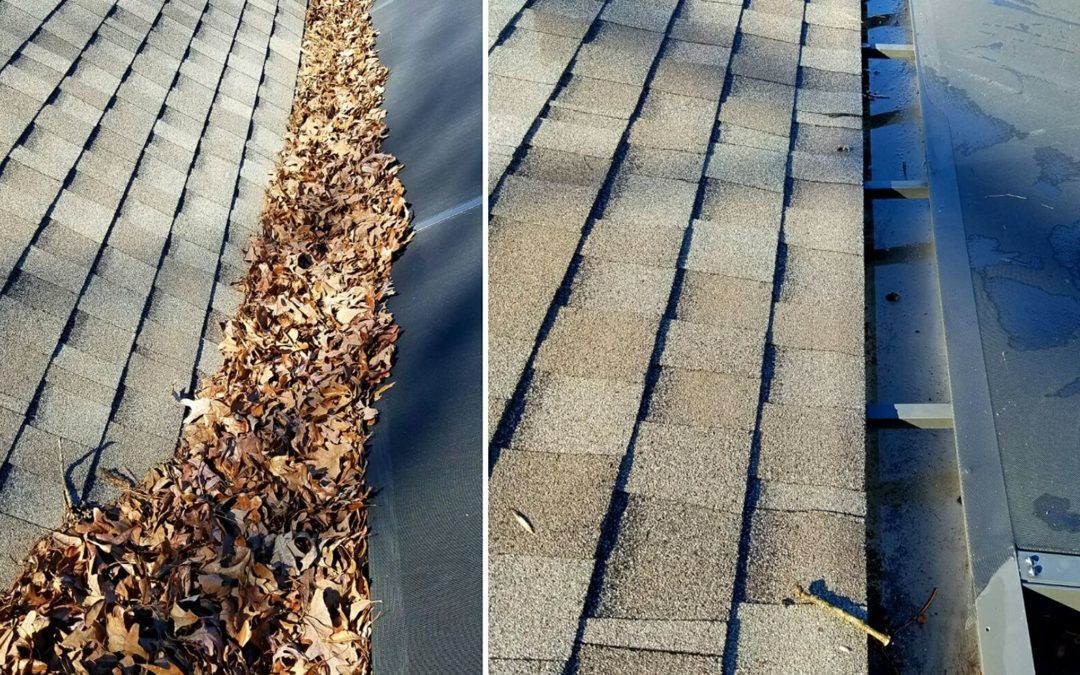
Gutter guards are protective systems installed over or inside gutters to help prevent leaves, needles, and other debris from entering the gutter channel while still allowing rainwater to flow through. Their primary purpose is to reduce the amount of material that accumulates inside the gutter system and decrease the frequency of cleanings needed throughout the year.
The terms “gutter guards”, “gutter screens”, and “gutter covers” are often used interchangeably because they all serve the same basic function: keeping debris out while allowing water into the gutters. However, some systems sit on top of the gutter opening, while others fit inside the gutter itself. There are also downspout guards designed to help prevent larger debris from entering and clogging the downspouts.
Different gutter guard designs accomplish this goal in different ways. Some use mesh or perforated surfaces that filter water through small openings. Others rely on surface tension or angled designs to direct water into the gutter while shedding leaves and debris. Because each system works differently, performance can vary depending on the type of debris, the roof design, and the surrounding environment.
It's also important to understand that gutter guards are designed to reduce maintenance, not eliminate it entirely. Debris can still accumulate on top of some systems, and gutters should continue to be inspected periodically to ensure water is flowing properly. Even homes with gutter guards can benefit from occasional gutter cleaning services, especially in areas with heavy tree coverage or significant seasonal debris.
Understanding how gutter guards work is the first step in determining whether they're a worthwhile investment for your home. The next step is looking at the advantages they can provide and the limitations homeowners should be aware of before making a decision.
Pros of Installing Gutter Guards
While no gutter protection system is perfect, there are several reasons homeowners choose to install gutter guards. When matched to the right property and installed correctly, they can help reduce maintenance, improve gutter performance, and make it easier to manage debris throughout the year.
Less Frequent Gutter Cleaning
For many homeowners, the biggest advantage of gutter guards is that they reduce how often gutters need to be cleaned. By reducing the leaves, needles, twigs, and other debris that enter the gutter system, guards help slow the buildup that eventually leads to clogs.
This doesn't eliminate the need for maintenance entirely, but it can make a significant difference in how often homeowners need to climb a ladder or schedule gutter cleaning, especially on properties that experience moderate to heavy debris accumulation.
Improve Flow During Typical Rainfall
Clogged gutters restrict water movement and can cause overflow during rainstorms. By helping to keep the gutter channel clear, gutter guards often improve drainage and allow water to move more efficiently toward the downspouts.
This can reduce the likelihood of water spilling over the gutter edge due to debris blockages and help the system function more consistently during normal rainfall conditions.
Discourage Pest Activity
Debris-filled gutters can create an attractive environment for insects, birds, and small rodents looking for shelter or nesting material. Wet leaves and organic debris may also hold moisture that encourages insect activity. Because gutter guards help limit the amount of material collecting inside the gutters, they can make the system less appealing as a place for pests to settle and build nests.
Extend the Lifespan of the Gutter System
When debris accumulates inside gutters, it often traps moisture and adds unnecessary weight to the system. Over time, that combination can contribute to corrosion, sagging sections, loose fasteners, and moisture problems that may eventually lead to wood rot on nearby siding, fascia, or trim.
By reducing the amount of debris and standing water inside the gutters, gutter guards may help decrease some of the conditions that contribute to premature deterioration.
Particularly Helpful for Homes Surrounded by Trees
Homes with significant tree coverage often see the greatest benefit from gutter guards. Pine needles, leaves, seed pods, small branches, and other debris can quickly fill open gutters, especially during seasonal shedding periods.
On properties where debris accumulates repeatedly throughout the year, even a modest reduction in gutter buildup can make a noticeable difference in maintenance demands. Instead of cleaning out large amounts of material after every major shedding season, homeowners can often spend less time managing debris and more time simply monitoring the system for proper drainage.
Cons of Installing Gutter Guards
While gutter guards can provide real benefits, they are not the maintenance-free solution they're sometimes advertised to be. Understanding their limitations is just as important as understanding their advantages. In many cases, homeowner satisfaction comes down to having realistic expectations about what gutter guards can and cannot do.
They Do Not Eliminate Maintenance
The most common misconception about gutter guards is that they'll completely eliminate the need for gutter maintenance. In reality, all gutter systems should still be inspected periodically to make sure water is flowing properly and debris isn't accumulating in problem areas.
Depending on the design, leaves, needles, moss, and other materials may collect on top of the gutter guards rather than inside the gutter itself. While this is generally easier to manage than cleaning a fully clogged gutter, some maintenance is still required to keep the system functioning as intended.
Some Systems Struggle With Pine Needles and Small Debris
Not all gutter guards handle debris the same way. Larger leaves are often relatively easy to block, but pine needles, small seeds, roof grit, and other fine materials can be much more challenging.
This is one reason homeowners in the Pacific Northwest often search for the best gutter guards for pine needles before making a decision. Certain designs are better suited for filtering fine debris than others, making product selection especially important around evergreen trees. Homes that deal primarily with seasonal leaf drop from a few deciduous trees often have more flexibility, while properties exposed to year-round needles, seeds, and other fine debris typically benefit from systems designed specifically to handle smaller materials.
Installation Cost
One of the biggest drawbacks for some homeowners is the upfront cost. Installing gutter guards adds an additional expense beyond the gutter system itself, and higher-performing products often cost more than basic options.
The long-term value depends largely on the property. For some homeowners, reduced cleaning frequency and easier maintenance justify the investment. For others, particularly those with minimal debris exposure, the cost savings may be less significant.
Do Gutter Guards Cause Problems?
Gutter guards themselves do not typically cause problems when they're properly selected and installed. However, installation quality plays a major role in how well any gutter guard system performs over time.
Improper installation can sometimes contribute to issues such as water overshooting the gutter during heavy rain, sections working loose over time, or drainage problems near roof edges. These situations are not necessarily common, but they highlight why proper installation and product selection matter.
Even a high-quality gutter guard can underperform if it isn't installed correctly or isn't well suited to the roof and gutter system it's protecting.
Not Every Home Benefits Equally
Some homes simply gain more value from gutter guards than others. Properties surrounded by mature trees often see a noticeable reduction in maintenance demands, while homes with little nearby vegetation may experience fewer benefits.
The same is true for accessibility. A homeowner with a tall, multi-story home may place a higher value on reducing ladder work than someone with a single-story home where gutter cleaning is relatively simple.
For that reason, the decision often comes down to the specific property, the surrounding environment, and how much ongoing maintenance the homeowner is hoping to avoid.
Types of Gutter Guards Compared
Not all gutter guards are built to handle debris in the same way. Some are designed to block fine materials like pine needles and seeds, while others focus on shedding larger debris or maximizing water flow. Because of these differences, performance can vary significantly depending on the type of debris, roof design, rainfall patterns, and how the gutter guards are installed.
Choosing the right system often has less to do with finding the "best" gutter guard and more to do with finding the option that's best suited to the conditions around your home.
Micro Mesh Gutter Guards
A micro mesh gutter guard uses a fine metal mesh, typically stainless steel, that allows water to pass through tiny openings while blocking leaves, pine needles, seeds, and other small debris. Because the openings are so small, these systems are often considered one of the most effective options for filtering fine debris.
For homeowners wanting the best gutter guards for pine needles, micro mesh systems are frequently among the most recommended options because they block debris better than many other designs.
| Category | Micro Mesh Gutter Guards |
|---|---|
| Debris Protection | Excellent |
| Pine Needle Performance | Excellent |
| Heavy Rain Performance | Good to Excellent |
| Maintenance Required | Low to Moderate |
| Visibility | Low |
| Cost | Higher |
| Best For | Homes with heavy tree coverage and fine debris |
The primary tradeoff is cost. Micro mesh systems are often among the most expensive gutter guard options available, but many homeowners consider the added debris protection worthwhile, especially on heavily wooded properties.
Perforated Metal Gutter Guards
Perforated metal gutter guards use rigid metal panels with numerous small holes that allow water into the gutter while helping keep larger debris out. They are often made from aluminum or steel and are generally viewed as a durable middle-ground option between basic screens and premium micro mesh systems.
When comparing perforated vs micro mesh gutter guards, the biggest difference is usually how they handle smaller debris. Perforated systems typically do a good job with leaves and larger materials but the larger openings may allow some fine debris to enter the gutter over time.
| Category | Perforated Metal Gutter Guards |
|---|---|
| Debris Protection | Good |
| Pine Needle Performance | Fair to Good |
| Heavy Rain Performance | Good |
| Maintenance Required | Moderate |
| Visibility | Low |
| Cost | Moderate |
| Best For | Moderate debris levels; a balance between cost and durability |
Perforated metal gutter guards are often viewed as a practical middle-ground option. They provide good protection against larger debris, offer strong durability, and are typically more affordable than premium micro mesh systems. While they may allow some fine debris to enter the gutter over time, many homeowners find they strike a good balance between performance, appearance, and cost.
Reverse Curve Gutter Guards
Reverse curve gutter guards use a curved surface that directs rainwater into the gutter while encouraging leaves and debris to slide off the edge. Rather than filtering water through openings, these systems rely on surface tension to guide water into the gutter channel.
The effectiveness of reverse curve gutter guards often depends heavily on proper installation and roof conditions. They can perform very well in some situations but may be more sensitive to installation quality than other designs.
| Category | Reverse Curve Gutter Guards |
|---|---|
| Debris Protection | Good |
| Pine Needle Performance | Fair |
| Heavy Rain Performance | Fair to Good |
| Maintenance Required | Low to Moderate |
| Visibility | Higher |
| Cost | Moderate to High |
| Best For | Larger leaf debris; prioritizing debris shedding over filtration |
Reverse curve gutter guards take a different approach by directing water into the gutter while encouraging debris to slide off the edge. They can be very effective in the right conditions, but their performance often depends more heavily on proper installation than some other designs. Homeowners should also consider their more visible appearance and higher cost when comparing them to other gutter protection options.
Foam Gutter Guards
Foam gutter guards consist of porous foam inserts that sit directly inside the gutter. Water passes through the foam while larger debris remains on top of the insert.
Because they're inexpensive and relatively simple to install, foam gutter guards are often popular among homeowners looking for a budget-friendly solution. However, they generally have a shorter lifespan than metal systems and may require replacement sooner.
| Category | Foam Gutter Guards |
|---|---|
| Debris Protection | Fair |
| Pine Needle Performance | Poor |
| Heavy Rain Performance | Good |
| Maintenance Required | Moderate to High |
| Visibility | Low |
| Cost | Higher |
| Best For | Budget-conscious option for a simple, short-term solution |
Foam gutter guards are often attractive because of their low cost and straightforward installation. They can provide a temporary reduction in debris buildup and may work reasonably well in areas with limited tree coverage. However, because the foam itself is exposed to constant moisture and debris, these systems generally require more frequent replacement and tend to have a shorter lifespan than metal alternatives. For homeowners looking for a long-term solution, other gutter guard designs may offer better durability and performance.
Each of these gutter guard designs offers a different balance of cost, maintenance requirements, and debris protection. The best choice depends less on which product is "best" overall and more on how well the system matches the conditions around the home.
Which Gutter Guards Work Best in Heavy Rain?
One concern many Western Washington homeowners have is whether gutter guards can keep up during heavy rain. After all, a gutter system is only effective if it can move water away from the home quickly enough to prevent overflow.
The good news is that properly installed gutter guards generally do work in heavy rain. However, performance depends on much more than the gutter guard itself. Several factors influence how well the system handles large volumes of water, including:
- The size and capacity of the gutters
- The amount of roof area draining into the system
- The pitch and design of the roof
- Installation quality
- The type of gutter guard being used
When homeowners experience problems during heavy rainfall, the issue is often related to one of these factors rather than the concept of gutter guards as a whole.
It's important to remember that even the best gutter guards for heavy rain can struggle if the gutters are undersized, partially clogged, improperly installed, or already experiencing drainage problems. A high-quality gutter guard cannot fully compensate for issues elsewhere in the system.
In most cases, homeowners who choose a well-designed product and ensure it is properly installed can expect good performance during typical and even heavy rainfall events. The key is selecting a gutter guard that works well with the home's roof design, gutter system, and surrounding environment rather than focusing on a single feature or marketing claim.
Which Gutter Guards Are Best for Homes With Pine Trees?
Pine needles present a unique challenge for gutter systems. Unlike larger leaves that tend to sit on top of a gutter guard or wash away more easily, pine needles are thin enough to work their way through many openings and can accumulate in places where larger debris cannot.
This is one reason some homeowners become disappointed with gutter guards. A product that performs well against leaves may not perform nearly as well when exposed to a constant supply of pine needles, small seeds, and other conifer debris.
For homes surrounded by pine trees or other evergreens, micro mesh gutter guards are generally considered the strongest option. Their fine mesh openings are specifically designed to block small debris while still allowing water to enter the gutter system.
Some perforated metal gutter guards can also perform reasonably well, particularly those with smaller openings. However, performance varies significantly by design. Products with larger perforations may allow more needles to enter the gutter over time, especially during periods of heavy needle drop.
Foam gutter guards are typically the least effective option in pine-heavy environments. Pine needles can collect on top of the foam, become trapped against the surface, and create conditions where debris accumulates more quickly than intended. As needles, seeds, and other organic material remain exposed to moisture, they can become more difficult to remove and may require more frequent maintenance than homeowners expect.
It's also worth remembering that no gutter guard completely eliminates maintenance around evergreen trees. Even the most effective systems should still be inspected periodically to ensure debris is not collecting on top of the guards or restricting water flow.
For homeowners in areas with mature evergreens, dense tree coverage, or year-round needle drop, choosing a system designed to handle fine debris can make a significant difference in long-term performance and maintenance requirements.
Are Gutter Guards Worth It in Western Washington?
Western Washington presents a combination of challenges that can make gutter maintenance particularly demanding. Frequent rainfall, moss growth, mature evergreen trees, seasonal leaf drop, and long periods of damp weather all contribute to debris accumulation throughout the year.
In many neighborhoods, gutters may collect pine needles, leaves, small branches, seed pods, and roof debris on a regular basis. Because of these conditions, gutter guards often provide the greatest value on properties where debris buildup is a recurring issue rather than an occasional inconvenience.
Gutter guards generally provide the greatest value on properties where gutter maintenance is already a recurring challenge. Homes surrounded by mature trees, properties that collect significant amounts of pine needles or seasonal debris, and multi-story homes with difficult gutter access often see the most noticeable benefits from reducing the amount of material entering the gutter system.
In these situations, reducing the amount of debris entering the gutter system can make seasonal maintenance significantly easier and help minimize the likelihood of clogs developing between cleanings.
On the other hand, gutter guards may be less critical for homes located on open lots with minimal tree coverage. If gutters rarely collect more than a small amount of debris and are easy to access for routine cleaning, the long-term benefits may be less noticeable. That doesn't necessarily mean gutter guards aren't worthwhile. It simply means the cost-benefit calculation may look different from one property to the next.
For many Western Washington homeowners, the most important question isn't whether gutter guards eliminate maintenance. It's whether reducing maintenance, improving debris control, and making gutter upkeep easier justifies the investment for their particular property.
Should You Install Gutter Guards Yourself?
Many homeowners researching gutter guards eventually ask whether installation is something they can handle themselves. The answer depends largely on the type of gutter guard being installed, the height and layout of the home, and the homeowner's comfort level working on ladders.
Some gutter guard systems are designed with DIY installation in mind. Certain foam inserts, basic screens, and simpler gutter covers, for example, can be installed with common tools and a modest amount of experience. For homeowners with single-story homes and easy roof access, this route may be a reasonable option.
However, installation quality plays a major role in how well any gutter guard performs. Even a highly rated product can struggle if sections are installed incorrectly, gaps are left between components, or water is not directed properly into the gutter system.
One of the most important tips on installing gutter guards is to make sure the system works with the roof, gutters, and drainage setup already in place. Different roof designs shed water differently, and some gutter guard styles are more sensitive to installation errors than others.
Safety is another factor worth considering. Installing gutter guards typically requires extended ladder work, often near roof edges and at heights where a fall could result in serious injury. Multi-story homes and properties with difficult access points can add another level of complexity.
For anyone who is comfortable working on ladders and have a relatively straightforward installation, certain products may be manageable as a DIY project. For others, professional installation may provide greater confidence that the system is properly fitted, draining correctly, and positioned to perform as intended over the long term.
Final Thoughts: Choosing the Right Gutter Guard for Your Home
Gutter guards can be a worthwhile investment, but they aren't a one-size-fits-all solution. The right choice depends on the amount of debris your property collects, the types of trees surrounding your home, the accessibility of your gutters, and how much ongoing maintenance you're hoping to avoid.
For some homeowners, a properly selected gutter guard system can significantly reduce cleaning frequency and make gutter maintenance much easier. For others, particularly those with minimal tree coverage or easily accessible gutters, the benefits may be less dramatic. That's why it's important to evaluate the conditions around the property rather than focusing solely on marketing claims or product comparisons.
The most successful installations usually have two things in common: a gutter guard system that's well suited to the environment and a quality installation that allows the gutter system to drain properly. Even the best products perform better when they're matched to the right conditions and maintained periodically.
If you're considering gutter guards but aren't sure which type makes the most sense for your home, a professional evaluation can help identify the challenges your gutter system faces and determine whether gutter guards are likely to provide meaningful benefits. Whether you choose to install gutter guards or not, routine gutter cleaning services remain one of the best ways to protect your home from drainage problems, overflow, and unnecessary wear.