Removing an Old Shed? Here’s What Most Homeowners Don’t Expect
At first glance, removing an old shed can seem like a fairly straightforward project. Many homeowners look at an aging backyard structure and assume it’s simply a matter of tearing it down, loading up the debris, and hauling everything away over the course of a weekend.
However, once the project begins, the amount of work involved often becomes much more noticeable. Older sheds commonly end up packed with damaged shelving, leftover project materials, broken equipment, and bulky items that have been sitting untouched for years. In many cases, the structure itself has also been weakened by long-term moisture exposure, making old shed demolition messy and unpredictable.
Backyard conditions can add another layer of difficulty. Soft ground, limited access points, overgrown vegetation, and waterlogged materials can all slow down shed removal and make cleanup more physically demanding. Even smaller structures can create a surprising amount of debris once the walls, roofing, and flooring start coming apart.
In many cases, homeowners who may have underestimated the amount of work involved quickly realize that tearing the shed down is only one part of the overall project. Shed cleanup, hauling, disposal planning, and preparing the area afterward can take just as much time and effort as the demolition itself.
This article breaks down what homeowners should realistically expect during a backyard shed removal project, including the cleanup, disposal, and logistical challenges that are commonly overlooked before the work begins.
Why Removing an Old Shed Is Rarely a Simple Weekend Project
Many older sheds look relatively stable from the outside right up until demolition begins. But once materials start coming apart, it becomes much easier to see how years of weather exposure and neglected maintenance have affected the structure underneath.
In Western Washington especially, moisture tends to be one of the biggest culprits, and sheds that sit beneath heavy tree coverage or in shaded portions of the yard may stay damp for long periods throughout the year. Over time, that constant exposure can weaken flooring, wall framing, roof panels, and support areas without the damage being fully visible from the outside.
That deterioration changes the way a shed comes apart during removal. Instead of separating cleanly, rotted sections may collapse unexpectedly, fasteners may pull through softened wood, and roofing materials can become brittle or unstable.
Vegetation can also complicate backyard structure removal more than many homeowners expect. It’s common for grass, blackberry vines, roots, moss, or low branches to grow tightly around neglected sheds over time. In some cases, portions of the structure may even become partially embedded into the surrounding landscape, making access and cleanup more difficult once demolition starts.
The materials themselves can create additional challenges as well. Wet lumber and water-damaged debris are often significantly heavier than they appear, especially after long rainy periods. Rusted nails, sharp metal roofing, broken shelving, and deteriorated flooring can also slow down cleanup and make debris handling more hazardous. Some older sheds may also have electrical wiring, buried anchors, or improvised additions that homeowners have forgotten about over the years, which can complicate demolition once work begins.
Neglected sheds may sometimes contain evidence of rodents, insects, or other pests too, particularly if the structure has been sitting unused for years. That doesn’t necessarily make removal unsafe, but it does add another reason why homeowners should approach rotted shed removal carefully rather than treating it like a simple teardown project.
What’s Usually Hidden Inside an Old Backyard Shed
Older sheds often store a mix of materials that make cleanup and disposal more complicated than initially expected. Beyond the structure itself, many sheds end up holding partially damaged tools, leftover building materials, aging lawn equipment, old shelving, paint cans, fasteners, and other miscellaneous items that has accumulated over time.
In damp environments, many of those materials depreciate quickly. Cardboard softens, metal rusts, wood absorbs moisture, and containers begin breaking down after years of exposure to fluctuating temperatures and humidity. Once demolition begins, those damaged materials are often harder to move, stack, and haul away efficiently.
Certain items may also require additional disposal planning. Paint products, chemicals, broken equipment, and heavily water-damaged debris are not always as simple to throw away as standard household trash. At the same time, bulky materials and saturated debris can fill trailers or hauling space surprisingly quickly once cleanup gets underway.
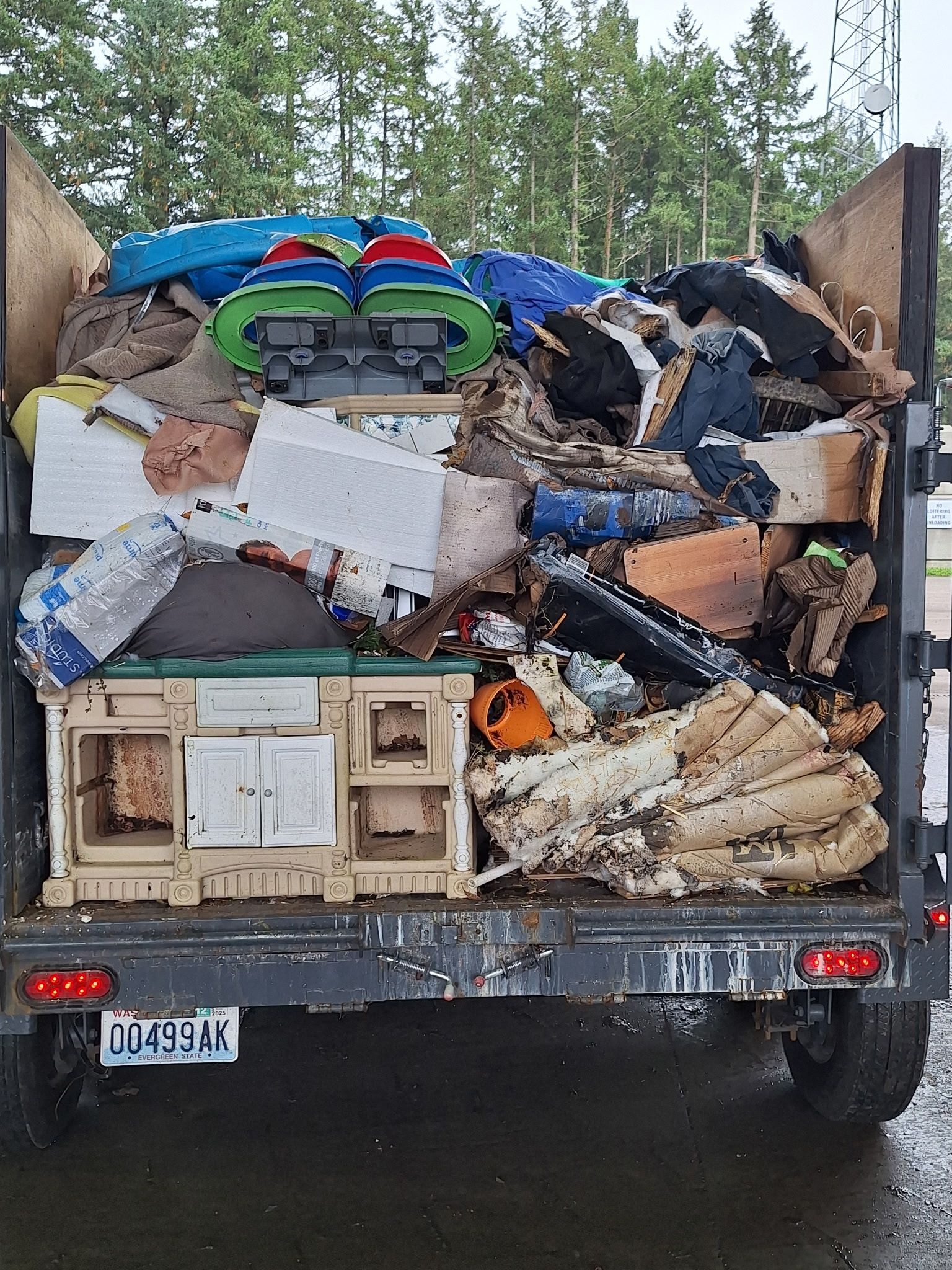
This is one reason shed demolition projects often create more hauling volume than homeowners anticipate. What starts as a relatively small backyard structure can easily turn into multiple loads of debris, cleanup material, and disposal trips once everything inside the shed is fully cleared out.
For larger or heavily packed structures, many homeowners choose to combine
shed demolition with
professional junk removal services or broader property cleanup services so the demolition, hauling, and cleanup process can all be handled together more efficiently.
Shed Demolition Is Only One Part of the Project
One of the biggest misconceptions about backyard shed removal is that once the structure comes down, the project is basically finished. In reality, demolition is often the fastest part of the entire process.
As materials start coming apart, debris accumulates much faster than most homeowners anticipate. Roofing panels, broken framing, fasteners, flooring materials, and long-forgotten storage items can quickly turn a relatively small shed into a large debris field.
The volume alone often catches people off guard. Wet lumber, deteriorated plywood, and water-damaged contents take up far more trailer and hauling space than they initially appear to. What looked like a single load can easily turn into multiple disposal trips once everything is piled together and ready to be removed.
Cleanup also becomes more detailed after the structure is down. Loose nails, sharp metal edges, buried scraps, and scattered hardware usually need to be collected carefully before the area is actually safe and usable again. In some cases, demolition also exposes hidden deterioration beneath the shed itself, including rotted ground contact areas, compacted debris, or damaged surfaces that still need attention afterward.
This is often the stage where homeowners realize the teardown itself was only one portion of the overall project. Managing debris removal, disposal logistics, and final site clearing usually requires just as much effort as bringing the shed down in the first place.
Why Shed Removal Projects Often Stall Out Midway
Many shed removal projects begin with plenty of momentum. Once demolition starts and visible progress happens quickly, the project can initially feel far more manageable than expected.
The slowdown usually happens after the excitement of demolition wears off.
By that point, the remaining work often has to compete with normal responsibilities, changing weather, and limited free time. Homeowners may suddenly find themselves trying to fit disposal trips, sorting, cleanup, and site clearing into evenings or weekends that were already busy beforehand.
Projects also tend to lose momentum once the structure is no longer standing. A partially cleared debris pile sitting in the yard feels far less urgent than an intact shed that clearly needs to come down. As a result, cleanup work often gets pushed back repeatedly while other priorities take over.
In the Pacific Northwest especially, unfinished projects can become harder to resume once weather conditions shift again. Debris piles absorb moisture, access paths become muddy, and partially completed cleanup areas become more difficult to manage if the project stretches across multiple weekends.
This is how many backyard shed removal projects end up lingering far longer than homeowners originally intended. The structure may be gone, but the remaining cleanup, disposal coordination, and site restoration still need to be finished before the space is truly usable again.
What Homeowners Commonly Overlook During DIY Shed Removal
Some smaller sheds can absolutely be manageable DIY projects, especially if the structure is still in relatively good condition and the surrounding yard offers easy access. The challenge is that many homeowners don’t fully realize how physical and awkward the work becomes once demolition is underway.
Access is one of the most commonly underestimated issues. Narrow gates, fencing, landscaping, slopes, soft ground, and uneven terrain can all make it much harder to remove large materials safely, especially when debris has to be carried out by hand.
Weight is another major factor. Water-damaged lumber, roofing materials, and saturated debris are often significantly heavier than they first appear, particularly after long periods of wet weather. Materials that seem manageable at first can quickly become exhausting to move repeatedly throughout the project.
Safety concerns also increase once structures begin coming apart. Rusted fasteners, unstable framing, broken roofing panels, awkward lifting angles, and partially collapsed sections can all create injury risks during demolition and debris handling. Older sheds may also contain hidden electrical connections, improvised additions, or buried anchors that complicate removal further once work begins.
These challenges don’t necessarily make DIY shed demolition impossible, but they do tend to make the project far more physically demanding and time-intensive than many homeowners originally expect.
When Professional Shed Demolition Makes More Sense
Dumpster Rental vs Full-Service Shed Removal
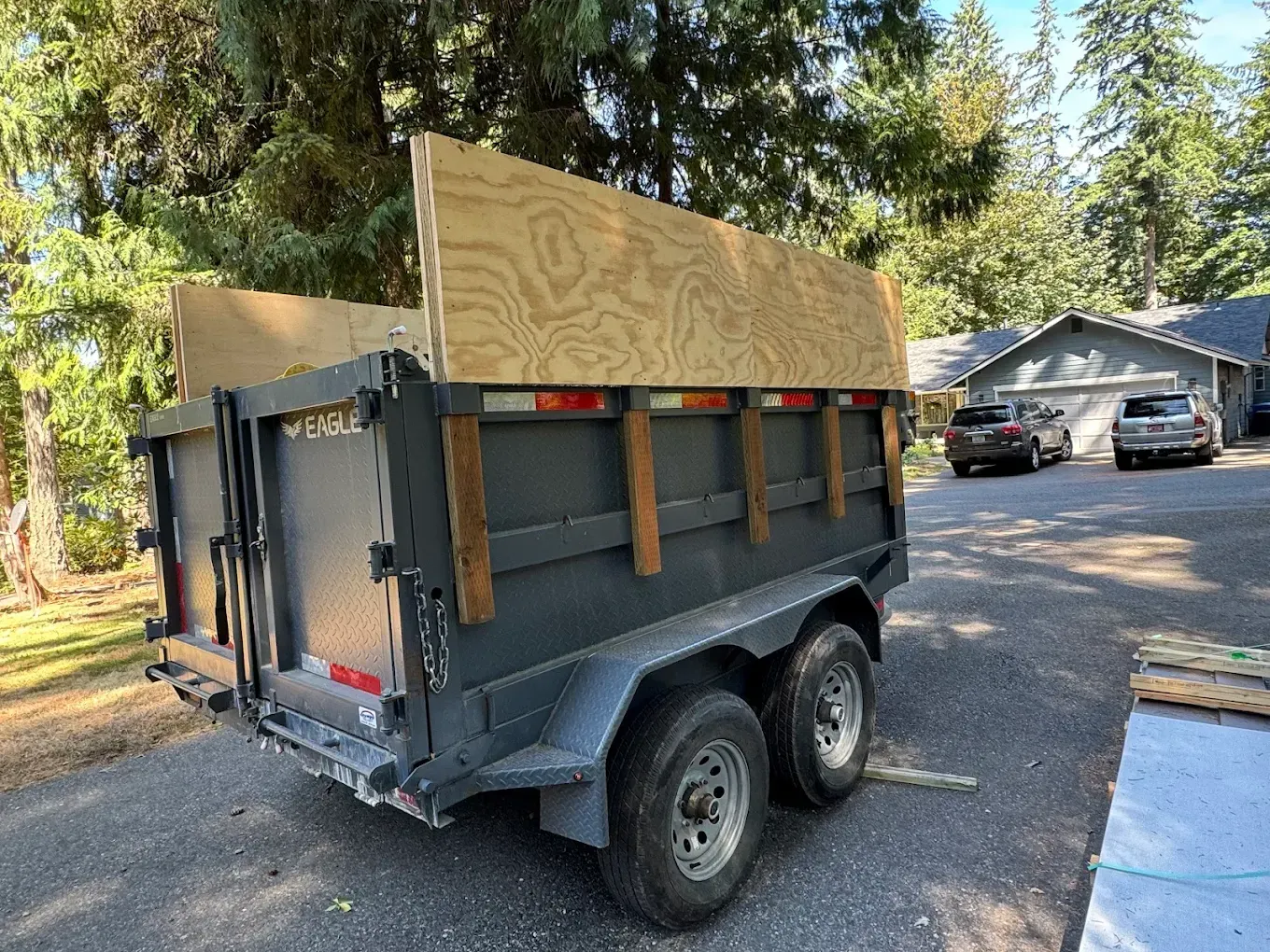
Once homeowners understand how much debris, hauling, and cleanup a shed removal project actually involves, the next decision usually becomes how much of the process they want to manage themselves. Some prefer a more hands-on approach with a dumpster trailer available for debris removal as they work, while others would rather have the demolition, hauling, and cleanup handled together from start to finish.
When a Dumpster Trailer Rental Makes Sense
A
dumpster trailer rental can work well for smaller or more manageable DIY shed removal projects. Some homeowners prefer handling demolition themselves while working through the cleanup gradually over several days instead of trying to finish everything at once.
This option is often a good fit when:
- the shed is relatively small and stable
- debris volume is moderate
- the homeowner already has help, tools, or equipment available
- cleanup will happen over a flexible timeline
- materials can be loaded gradually as demolition progresses
For homeowners who want to control the pace of the project themselves, a dumpster trailer rental can simplify the hauling side of the cleanup without requiring multiple dump runs throughout the process.
When Full-Service Shed Removal Is the Better Option
Full-service shed removal usually makes more sense once the project becomes larger, heavier, messier, or more time-sensitive. Instead of separating demolition, hauling, and cleanup into multiple stages, everything is handled together as one coordinated job.
This approach is often the better fit when:
- the shed is collapsing or structurally compromised
- debris volume is larger than expected
- materials are heavy or water-damaged
- access to the backyard is difficult
- cleanup needs to happen quickly
- the homeowner wants to avoid the physical labor and disposal logistics involved
Combining demolition and junk removal services also tends to produce a cleaner final result because debris is removed continuously throughout the project instead of accumulating in piles around the property.
For many homeowners, the decision ultimately comes down to convenience, workload, and how involved they want to be in the demolition and cleanup process themselves.
What Happens After the Shed Is Gone?
Once the shed and debris have been removed, the area underneath often still needs additional cleanup and site preparation before the space is fully usable again. Older sheds frequently uncover hidden site issues, buried scraps, damaged ground coverings, and uneven surfaces that were noticeable while the structure was still standing.
The surrounding yard conditions can also change quite a bit during demolition and cleanup. Muddy ground, compacted soil, disturbed grass, and worn access paths are all common after heavy debris has been moved out of the area. It’s also not unusual to uncover materials that gradually became buried beneath sheds that have been in place for many years.
Once cleanup is fully complete, though, many homeowners find that removing an old shed opens up far more usable space than they expected. Depending on the property, the cleared area may become space for:
- lawn restoration
- a garden or planting area
- future patio plans
- a replacement shed
- additional storage access
- a more open backyard layout
That’s one reason the cleanup and restoration phase often ends up being just as important as the demolition itself.
Final Thoughts: Shed Removal Is Usually More Than Just Demolition
What starts as a simple plan to remove an old backyard shed often becomes a much larger cleanup and hauling project once the work is underway. Between deteriorated materials, disposal logistics, limited access, and site cleanup afterward, there’s usually far more involved than simply tearing the structure down.
That doesn’t mean every shed removal project requires professional help. Some smaller structures can absolutely be handled by homeowners with enough time, equipment, and cleanup capacity. The challenge is that many projects become more physically demanding, time-consuming, and debris-heavy than they initially appear.
For homeowners who want the process to move faster and more efficiently, combining demolition, hauling, and cleanup into one coordinated service can make a major difference. Instead of managing multiple disposal trips, debris piles, and cleanup stages separately, the entire project can be handled from start to finish with a much clearer plan in place.
If your property has an aging, collapsing, or heavily deteriorated shed taking up valuable yard space,
professional shed demolition and
junk removal services can help simplify the process and leave the area cleaner, safer, and ready for its next use.