Painting Brick Fireplaces and Walls: Is It a Good Idea for Your Home?
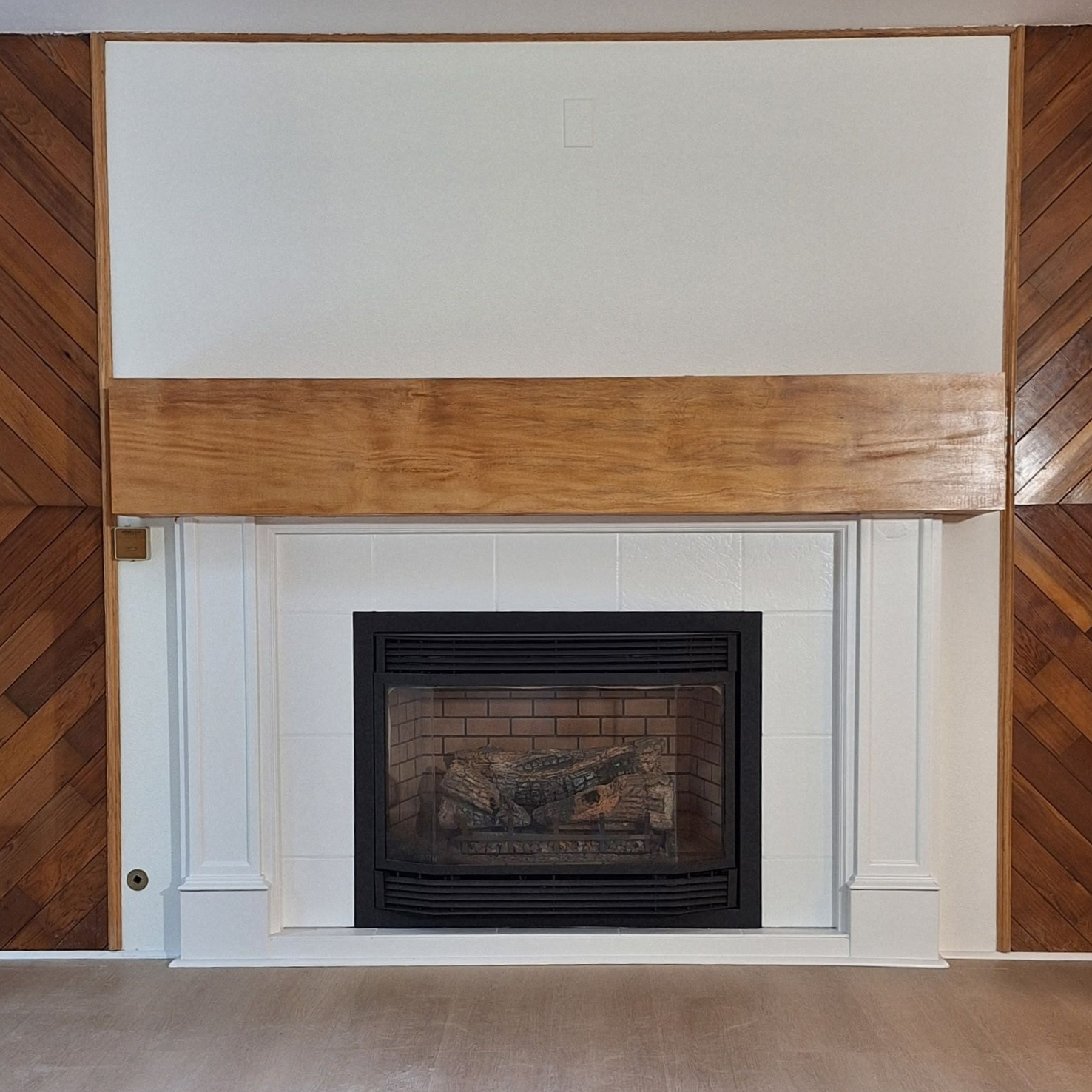
If you’ve ever looked at your brick fireplace or interior brick wall and felt like it no longer fits the rest of your home, you’re not alone. Brick can be a beautiful feature, but in many homes, especially older ones, it doesn’t always match the style homeowners want today.
Painting brick has become a popular way to update a space, especially when homeowners are considering painting a brick fireplace without taking on a full remodel. A fresh coat of paint can completely transform a feature, brighten a room, and bring everything together visually.
That said, this type of update is not a decision to rush into. It’s a more permanent change than painting drywall, and it comes with its own set of considerations.
This guide will walk you through the pros, potential drawbacks, and alternatives so you can decide whether painting brick is the right choice for your home.
Why Homeowners Choose to Paint Brick (And When It Makes Sense)
Many homeowners start considering painting brick fireplaces or interior brick walls when something about the space no longer feels quite right.
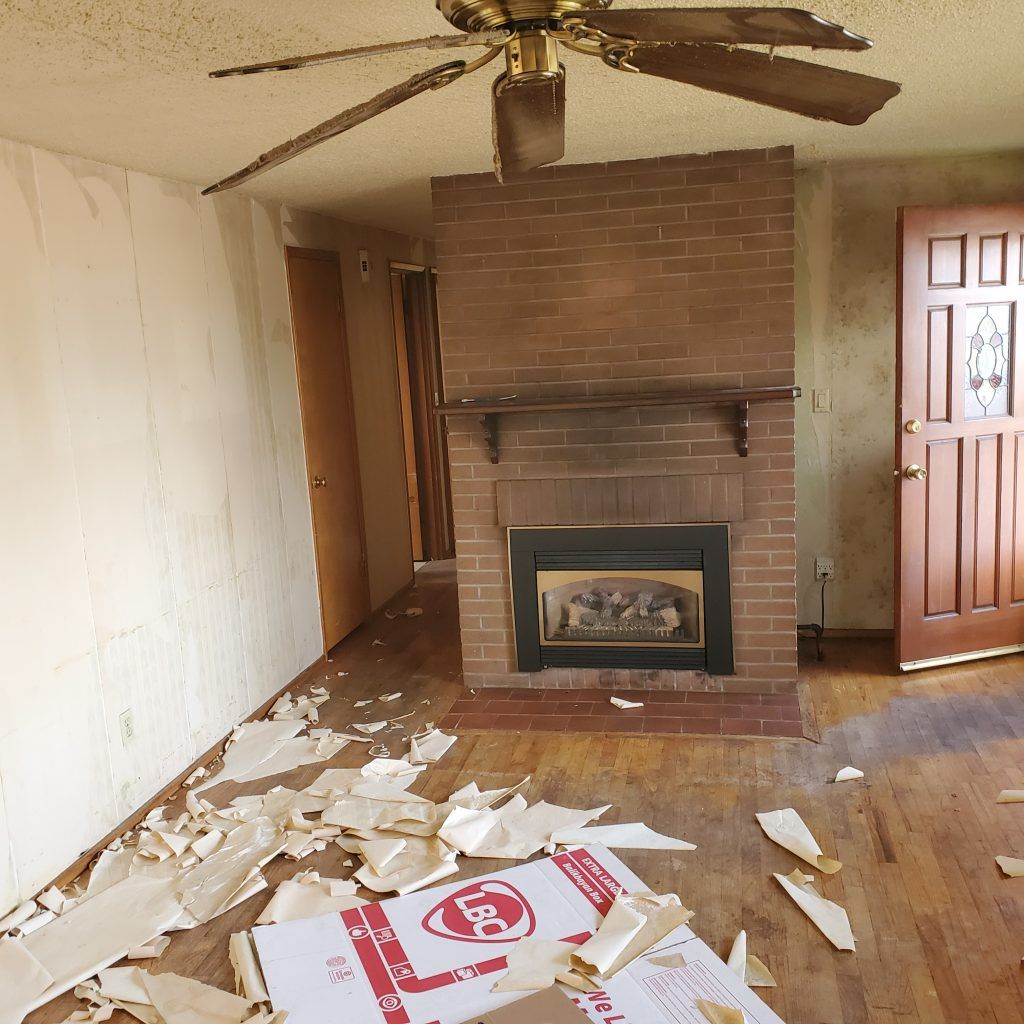
In many older homes throughout the Gig Harbor, Tacoma, and Key Peninsula areas, brick fireplaces were built as central features of the home. While they were once a focal point, the traditional red or orange tones can feel out of place alongside more modern updates. Painting the brick is often one of the simplest ways to bring the space in line with the rest of the home without removing or rebuilding the structure.
Lighting also plays a major role. In the Pacific Northwest, where tree cover, north-facing rooms, and overcast days are common, darker materials like red brick can absorb light and make a space feel heavier than intended. Using a lighter finish, such as white, off-white, or a soft neutral, helps reflect available light and can make the room feel more open and balanced.
Another factor is overall cohesion. As homeowners update flooring, wall colors, and furnishings, original brick features can start to stand out in a way that feels disconnected rather than intentional. Painting the brick allows it to blend more naturally with the surrounding design, helping the entire room feel more unified.
For many homes, especially those with prominent interior brick features, painting becomes a practical middle ground. It offers a noticeable visual update, improves how the space feels day to day, and avoids the cost and disruption of a full replacement.
What to Consider Before Painting Brick
Painting brick can be a great way to update a space, but it’s not always the right choice for every home or situation. Before moving forward, it’s worth taking a closer look at a few important tradeoffs.
One of the biggest considerations is permanence. Once brick is painted, it’s very difficult to return it to its original appearance. Unlike painted drywall, where color changes are relatively simple, painted brick becomes a long-term commitment.
There are also technical factors to keep in mind. Brick is a porous material, which means it naturally absorbs and releases moisture. If the surface isn’t properly cleaned, repaired, primed, and coated with the right products, you may run into issues like peeling, uneven coverage, or premature wear.
Moisture is especially important to consider. While this is more critical for exterior brick, even interior brick can be affected by humidity, soot buildup, or past water exposure. Addressing these conditions before painting is key to getting a finish that lasts.
Another factor is the change in texture and character. Painted brick has a more uniform, finished look, which many homeowners prefer, but it does cover up some of the natural variation and texture that gives brick its original appeal.
For these reasons, painting brick isn’t inherently good or bad. It’s a decision that depends on the condition of the brick, the goals for the space, and how the work is done. When the prep and materials are handled correctly, it can be a durable and high-impact update. When they’re not, it’s more likely to lead to problems over time.
Common Concerns About Painting Brick
A painted finish can completely change the look of a space, but it’s also one of those updates that tends to come with a lot of questions.
Homeowners often want to know how well it holds up, whether it can be reversed, and if there are any risks to be aware of before getting started. Those are all smart things to consider, especially since brick behaves differently than other surfaces in your home.
To help you make an informed decision, here are some of the most common concerns, along with what to realistically expect.
Does painting brick damage it?
Painting brick does not damage it when done correctly. The key is proper preparation and using breathable coatings that allow moisture to escape rather than trapping it inside.
Brick naturally absorbs and releases moisture, so using the wrong products or skipping prep steps can interfere with that process. When the surface is cleaned, repaired, primed, and painted with the right materials, the brick remains protected and structurally sound.
Will paint peel off brick?
Paint can peel if the surface isn’t properly prepared or if moisture issues are present before painting begins.
Brick is more textured and porous than drywall, so it requires more thorough prep. Dirt, soot (especially on fireplaces), and old residue all need to be removed, and any cracks or mortar issues should be addressed first.
In areas like Gig Harbor and the Key Peninsula, where moisture is a regular part of the climate, it’s especially important to make sure the brick is dry and stable before painting. When those conditions are met, painted brick tends to hold up well over time.
How long does painted brick last?
Interior painted brick, such as a fireplace or accent wall, can last for many years with very little maintenance.
Because it isn’t exposed to weather, interior brick mainly experiences normal wear from everyday use. A properly painted fireplace can maintain its appearance for a long time, especially when quality products are used.
Exterior brick is a different story. It’s exposed to moisture, temperature changes, and sun, so it may require occasional maintenance or touch-ups over time. Longevity largely depends on preparation, product selection, and ongoing care.
Is painting brick permanent?
For most homeowners, the answer is yes. Once brick is painted, it’s very difficult to return it to its original appearance.
Paint penetrates into the pores and texture of the brick, making full removal extremely challenging. While it’s sometimes possible to strip paint, the results are often inconsistent and can leave the surface uneven or damaged.
Because of this, painting brick should be viewed as a long-term design decision rather than a temporary update.
Does painting brick devalue a home?
This depends on both the buyer and the quality of the work.
In many updated homes, especially those with more modern or neutral interiors, painted brick is often seen as a positive feature. A clean, well-finished fireplace or accent wall can help a space feel more current and cohesive.
On the other hand, poorly executed work, such as uneven coverage, visible brush marks, or peeling paint, can have the opposite effect. As with most home updates, the outcome matters just as much as the decision itself.
Alternatives to Painting Brick
If you’re unsure about fully committing to paint, there are a few alternatives worth considering. Each option changes the look of the brick in a different way, and understanding those differences can help you choose the approach that best fits your goals.
Brick Stain
Brick stain works differently than paint. Instead of sitting on top of the surface, it penetrates into the brick itself and absorbs into the material.
This means the natural texture, variation, and character of the brick remain visible after it’s applied. You’re changing the color, but not covering the surface.
Because stain doesn’t form a solid film like paint, it’s less likely to peel or chip over time. It also allows the brick to continue breathing naturally, which can be beneficial in areas where moisture is a concern.
Brick stain is often a good option for homeowners who want to tone down red or orange brick without completely hiding its original look.
Limewash
Limewash brick creates a softer, more muted appearance compared to paint. It’s made from natural limestone that has been crushed, mixed with water, and applied to the surface.
Like stain, limewash is breathable, but instead of fully saturating the brick, it sits lightly on the surface and gradually wears over time. This gives it a slightly aged, weathered look that many homeowners find appealing.
One key difference is that limewash is not meant to be a perfectly uniform finish. It tends to have natural variation, which can add depth and character, especially on fireplaces or feature walls.
This option works well for homeowners who prefer a more subtle transformation rather than a fully painted, solid-color look.
Updating Around the Brick
In some cases, the best option isn’t changing the brick at all.
Updating the surrounding elements, like the mantel, trim, wall color, or even lighting, can make a significant difference in how the brick is perceived. For example, pairing existing brick with lighter wall colors or updated finishes can help it feel more intentional and less dated.
This approach is often overlooked, but it can be especially effective if the brick itself is in good condition and you’re not ready to commit to a permanent change.
Popular Brick Painting Styles and Color Ideas
When homeowners decide to move forward with painting brick, a few styles tend to stand out depending on the look they’re going for.
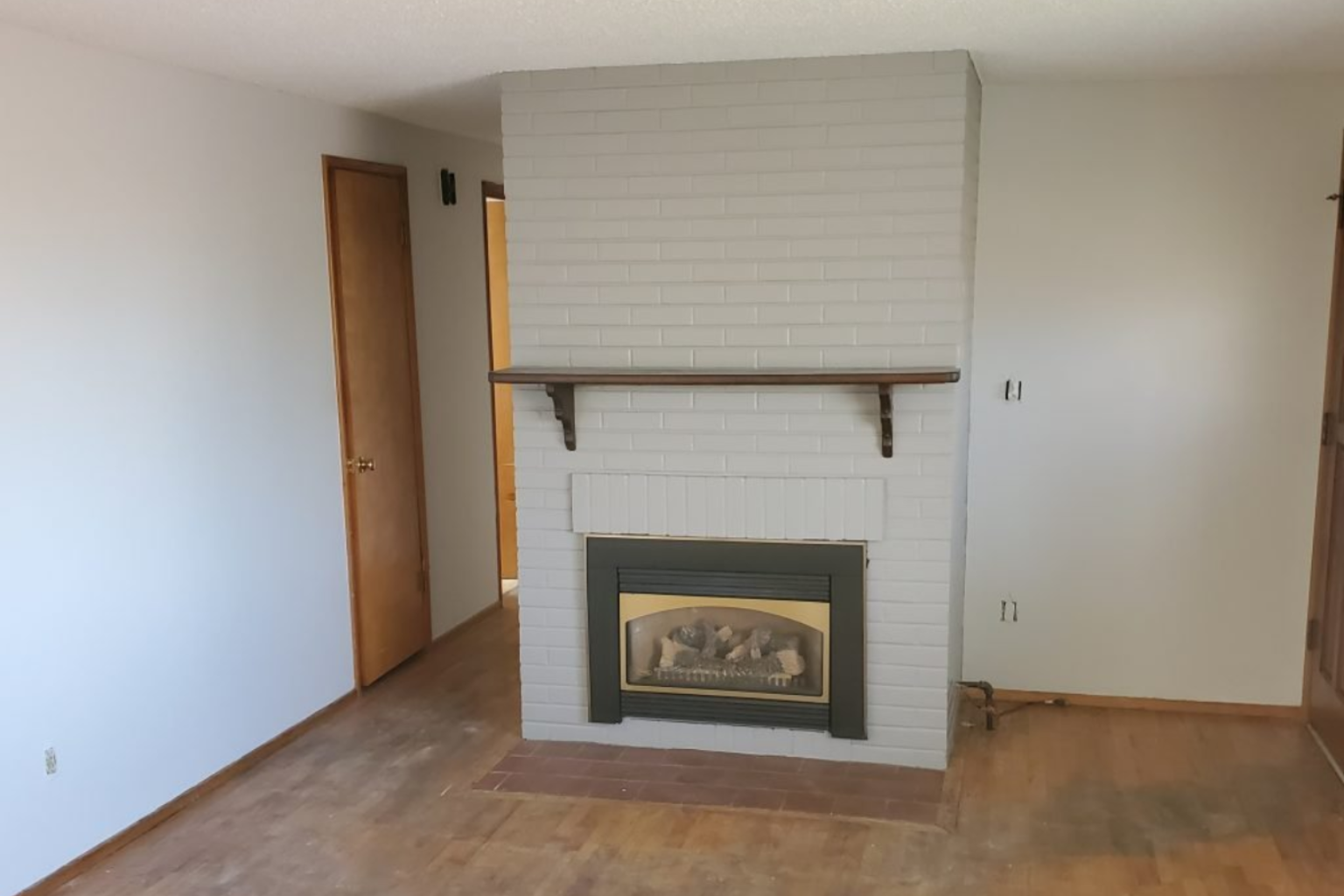
Painting brick white or off-white remains one of the most popular choices. Lighter tones can brighten the space, reflect available light, and create a clean, updated look that works with a wide range of interior styles. This approach is especially effective in rooms that feel a bit dark or heavy to begin with.
On the other end of the spectrum, painting brick black or another deep tone has become a popular way to create contrast and turn a fireplace or wall into a strong focal point. Darker colors tend to feel more modern and intentional, particularly when paired with lighter walls, trim, or natural wood elements.
Neutral tones, such as soft grays, greiges, or warm taupe shades, offer a middle ground. These colors soften the appearance of traditional brick without drawing too much attention, making them a good option for homeowners who want an updated look that still feels subtle and balanced.
The right color often depends on the surrounding elements in the room. Flooring, wall color, natural light, and even ceiling height can all influence how a painted brick surface will look once it’s finished. A color that feels bright and open in one room may feel flat or overly stark in another.
This is where understanding interior paint color psychology can help guide the decision. The color you choose doesn’t just change how the brick looks—it also affects how the entire space feels, from calm and relaxed to bold and high-contrast.
Interior vs Exterior Brick Painting: What’s Different?
Working with interior brick is generally more straightforward than painting exterior brick, and for many homeowners, it’s a much lower-risk place to start.
Interior brick, such as a fireplace or accent wall, isn’t exposed to weather, so the focus is primarily on appearance, adhesion, and durability under normal use. Aside from occasional exposure to heat or soot around fireplaces, these surfaces are relatively stable, which makes it easier to achieve a consistent, long-lasting finish.
Exterior brick is a different situation entirely. It’s constantly exposed to moisture, temperature changes, and sun exposure, all of which affect how paint performs over time. In the Pacific Northwest, where rain and damp conditions are common throughout much of the year, moisture management becomes especially important.
Because brick naturally absorbs moisture, exterior projects require more careful preparation and the right products to ensure the finish holds up over time. Without that, issues like peeling or premature wear are more likely to show up.
For that reason, many homeowners choose to start with interior brick projects first. It allows them to update the look of the space with fewer variables, while still getting a feel for how painted brick works in their home.
What Goes Into Painting Brick the Right Way
One of the biggest misconceptions about painting brick is that it can be treated like any other surface. In reality, brick requires a more deliberate process because of its texture, porosity, and exposure to soot or moisture, especially around fireplaces. This is where experience with brick surfaces makes a noticeable difference, especially when working with older fireplaces or heavily textured materials.
A quality result depends on getting each step right:
- Thorough cleaning
Brick surfaces often hold onto dust, soot, and residue, particularly on fireplaces. If these aren’t fully removed, paint may not bond properly, which can lead to uneven coverage or early failure.
- Repairing cracks and mortar joints
Small cracks or deteriorating mortar can affect both the appearance and durability of the finished surface. Addressing these before painting helps create a more uniform result and prevents issues from showing through later.
- Applying a masonry-specific primer
Primer plays a critical role on brick. It helps seal the surface, improve adhesion, and create a consistent base so the final color applies evenly across the textured surface.
- Using the right paint and application method
Not all paints perform the same on brick. Choosing products designed for masonry, along with proper application techniques, helps ensure the finish holds up and looks consistent across the surface.
Skipping or rushing these steps is often what leads to common issues like peeling, patchy coverage, or a finish that doesn’t hold up over time.
DIY vs Professional Brick Painting
For small interior projects, some homeowners choose to tackle painting over brick themselves. It can be done, but brick behaves very differently than smoother surfaces like drywall, and it requires more attention to detail to get a consistent result.
The main challenges with DIY brick painting include:
- Achieving even coverage on a textured surface
Brick’s uneven face and mortar joints can make it difficult to apply paint consistently, especially when trying to avoid heavy buildup in some areas and thin coverage in others.
- Properly preparing the surface
Cleaning soot, dust, or residue, especially on fireplaces, takes more effort than it might seem. Skipping this step is one of the most common reasons paint doesn’t adhere properly.
- Choosing the right products and application method
Not all primers and paints are designed for masonry. Using the wrong combination can lead to uneven results or reduced durability over time.
Professional painters bring experience with these details. They understand how to work with porous surfaces, apply coatings evenly across textured materials, and select products that are designed to hold up in real-world conditions.
If you’ve already invested time into choosing the right color and planning the update, having it applied correctly can make a noticeable difference in both the appearance and longevity of the finished space.
If you’d like help with your project, you can learn more about our interior painting services here.
When Painting Brick Makes the Most Sense
After weighing the pros, tradeoffs, and alternatives, there are certain situations where painting brick tends to be a particularly strong option.
It often makes the most sense when the existing brick is in good condition but no longer fits the look or feel of the space. In many homes, especially those with older red or orange brick fireplaces, the material itself is still solid, but the color can make the room feel dated or out of sync with more recent updates.
This type of update is also a practical solution when the goal is to brighten and rebalance a room. In spaces where darker brick absorbs light, a lighter finish can help reflect available light and create a more open, comfortable environment without changing the structure of the feature itself.
Another common scenario is when the brick serves as a focal point, such as a fireplace or accent wall, but doesn’t currently feel intentional. A fresh, updated color can help that feature feel more integrated into the overall design rather than something that stands out for the wrong reasons.
Painting brick is also worth considering when replacement isn’t practical. Removing or rebuilding a fireplace or brick wall can be costly and disruptive, while painting offers a way to achieve a noticeable transformation with far less time and expense.
In these situations, painting becomes a way to preserve the structure while updating the look, giving homeowners a balance between improvement and practicality.
When You Might Want to Leave Brick As-Is
There are also situations where leaving brick unpainted may be the better choice, especially when the existing material already works well within the space or when other factors should be addressed first.
In some homes, particularly older or more traditional properties, original brick is part of the home’s character. Painting it can change that look in a way that may not align with the overall style of the home. In these cases, preserving the natural material can help maintain the home’s original appeal.
There are also times when the brick itself is in good condition and fits the space as it is. If the color, texture, and surrounding elements already feel balanced, updating other parts of the room, such as wall color, trim, or décor, may be enough to achieve the look you’re after without making a permanent change.
It’s also important to consider the condition of the surface. If there are signs of moisture, deterioration, or structural concerns, those issues should be addressed before considering any type of finish. Painting over unresolved problems can make them harder to detect and more difficult to fix later.
Taking a step back and evaluating how the brick fits into the overall space, as well as its current condition, can help you make a decision that works not just for today, but for the long term.
Ready to Update Your Brick Fireplace or Wall?
A painted brick surface can completely transform a space, whether you’re updating a fireplace, refreshing an interior wall, or creating a new focal point in your home.
If you’d like to see how different finishes and colors look in real homes, you can browse our project gallery for examples of recent work.
And if you’re ready to move forward, we’re here to help.
Contact us today to talk through your project and learn more about our interior painting services.