By late April and early May, Western Washington begins to see a shift in the weather. The heavier winter rains have eased up, temperatures are getting warmer and more consistent, and everything outside is beginning to grow again. At the same time, it’s common to look around the yard and feel like things didn’t quite get the attention they needed earlier in the season.
If that sounds familiar, you’re not alone. Many homeowners find themselves only partway through their spring yard cleanup or still waiting for the right time to get started. Between wet conditions, busy schedules, and the sheer amount of debris that builds up over the winter, it’s easy for cleanup to get delayed.
The good news is that you haven’t missed your window. Whether you’re starting fresh or picking up where you left off, this point in the season is a practical time to get everything into shape before late spring growth really takes off. A focused spring yard cleanup now can go a long way toward improving how your yard looks, drains, and grows over the next few months.
Whether you’re catching up on what winter left behind or finishing the last few steps of your spring yard cleanup checklist, this is a practical time to reset your outdoor space and set yourself up for a smoother, more manageable season ahead.
Why Spring Yard Cleanup Still Matters in Late Spring in the PNW
Even as the weather improves, many of the issues that build up over winter don’t resolve on their own. In fact, this is often when they become more noticeable. What looked like a simple layer of debris in March can start to affect how your lawn grows, how water drains, and how usable your yard actually is.
In many PNW yards, it’s common to see a mix of leftover needles and organic buildup, patches of moss that are still spreading, and grass that’s coming in unevenly. These aren’t just cosmetic concerns. They can limit new growth, hold excess moisture in the soil, and create conditions where small problems quietly expand.
This time of year also marks a turning point. With longer days and consistent moisture, plant growth starts to accelerate. That includes the lawn you want to encourage, but also weeds, moss, and overgrown areas. When cleanup is delayed further, it becomes less about light maintenance and more about catching up with a yard that’s already moved into its peak growing cycle.
Western Washington’s climate plays a big role in this. Mild temperatures and steady moisture create ideal conditions for rapid growth, but they also allow debris, moss, and compacted areas to linger longer than they would in drier regions. It’s not unusual for underlying issues to stay hidden until everything begins growing at once.
Tackling a spring yard cleanup at this stage helps reset those conditions. It saves you from working against buildup and uneven growth later in the season by creating a cleaner foundation that supports healthier grass, better drainage, and a yard that’s easier to maintain in the future.
What Most PNW Homeowners Miss During Spring Cleanup
Mid-Season Spring Yard Cleanup Checklist (What to Focus on Now)
Once the initial cleanup is out of the way, it becomes easier to see what still needs attention. This checklist focuses on the areas that tend to get overlooked or left unfinished, especially in Western Washington where conditions don’t always allow for a quick, one-weekend cleanup.
1. Finish Clearing Debris (Even If You Started)
Even after an initial pass, it’s common for debris to linger in less visible areas. Fir needles, small branches, and organic buildup tend to collect along fence lines, under shrubs, and in low spots throughout the yard.
This is especially noticeable in more wooded areas like Gig Harbor and the Key Peninsula, where debris can continue falling well into spring. If it’s left in place, it can block sunlight, hold moisture against the soil, and slow down new growth.
A thorough pass to remove what’s left behind helps create a cleaner surface for everything else that follows. For larger or more time-consuming cleanups, this is often where professional yard debris cleanup and hauling services can make the process much more manageable.
2. Restore Lawn Health Before Peak Growing Season
Once debris is cleared, the condition of the lawn itself becomes much easier to assess. In many PNW yards, moss is still active at this stage, and grass may be thin or uneven from months of damp conditions.
Addressing this now helps set the tone for the rest of the season. Depending on the yard, that might include light dethatching, reseeding patchy areas, or basic lawn care to encourage more consistent growth.
This is also the point where a more structured approach to
lawn care and yard services can have a meaningful impact, especially if the lawn didn’t fully recover over the winter.
3. Trim Back Overgrowth Before It Gets Worse
Shrubs, hedges, and perimeter plants tend to respond quickly once temperatures stabilize. What looks manageable in early spring can become overgrown in a matter of weeks.
Trimming things back now helps maintain shape, improves airflow, and prevents plants from crowding walkways, siding, or other parts of the home. In areas with steady moisture, like Silverdale and Port Orchard, this step is especially important for keeping growth under control before it becomes harder to manage.
4. Edge and Define Your Yard
Creating clean boundaries around your lawn is one of the most commonly skipped steps, but it has a big impact on both appearance and maintenance. Defining the boundaries between lawn, garden beds, and hard surfaces helps prevent grass from spreading where it shouldn’t and makes routine upkeep easier.
It also gives the yard a more finished look without requiring major changes, which is why it’s often one of the most noticeable improvements during a mid-spring cleanup.
5. Refresh Beds and Ground Cover
Garden beds often collect a mix of leftover leaves, broken-down mulch, and plant material over the winter. A thorough spring garden bed cleanup helps clear out that buildup and improves both the appearance and function of these areas.
Adding a new layer of mulch can help regulate moisture, reduce weed growth, and protect soil as temperatures begin to rise. In Western Washington, where soil can stay damp longer, this step also helps balance moisture levels and improve overall plant health.
6. Watch for Drainage and Saturation Issues
Even in late spring, some areas of the yard may still be holding water or draining unevenly. Soft spots, pooling, or consistently damp sections are all signs that water isn’t moving the way it should. Identifying these areas early helps prevent longer-term issues like soil erosion, patchy grass, or damage near the foundation.
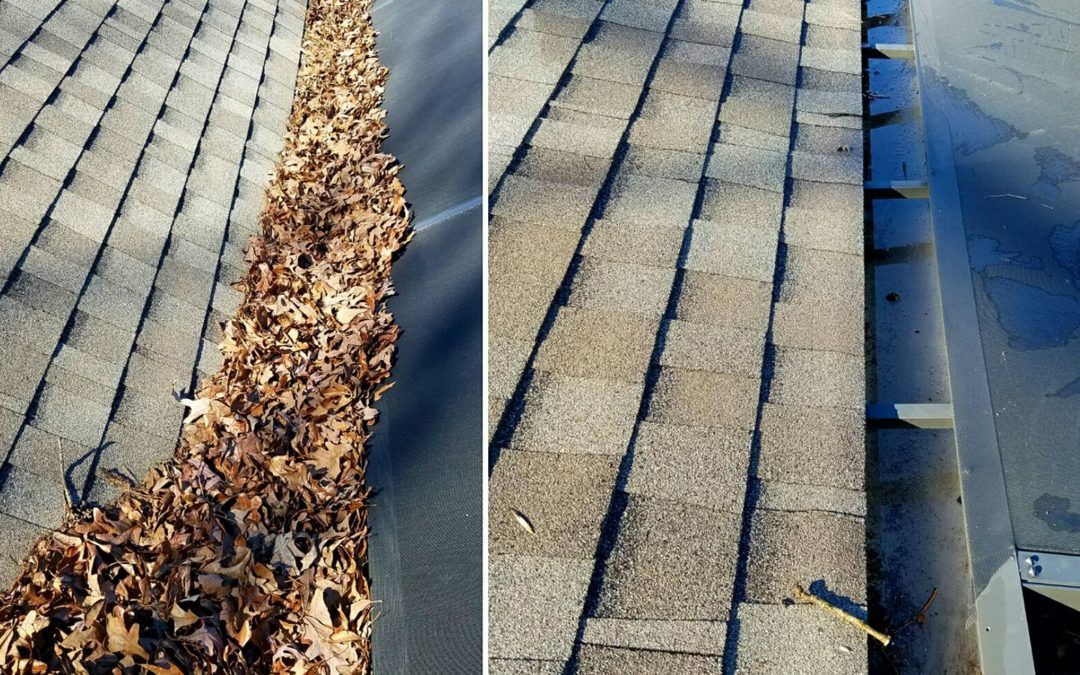
In some cases, poor drainage can also be tied to clogged or overflowing gutters, so it may be worth checking that your
gutter cleaning and downspout flow are working properly as part of the overall cleanup.
7. Clear Out Large Debris and Unwanted Items
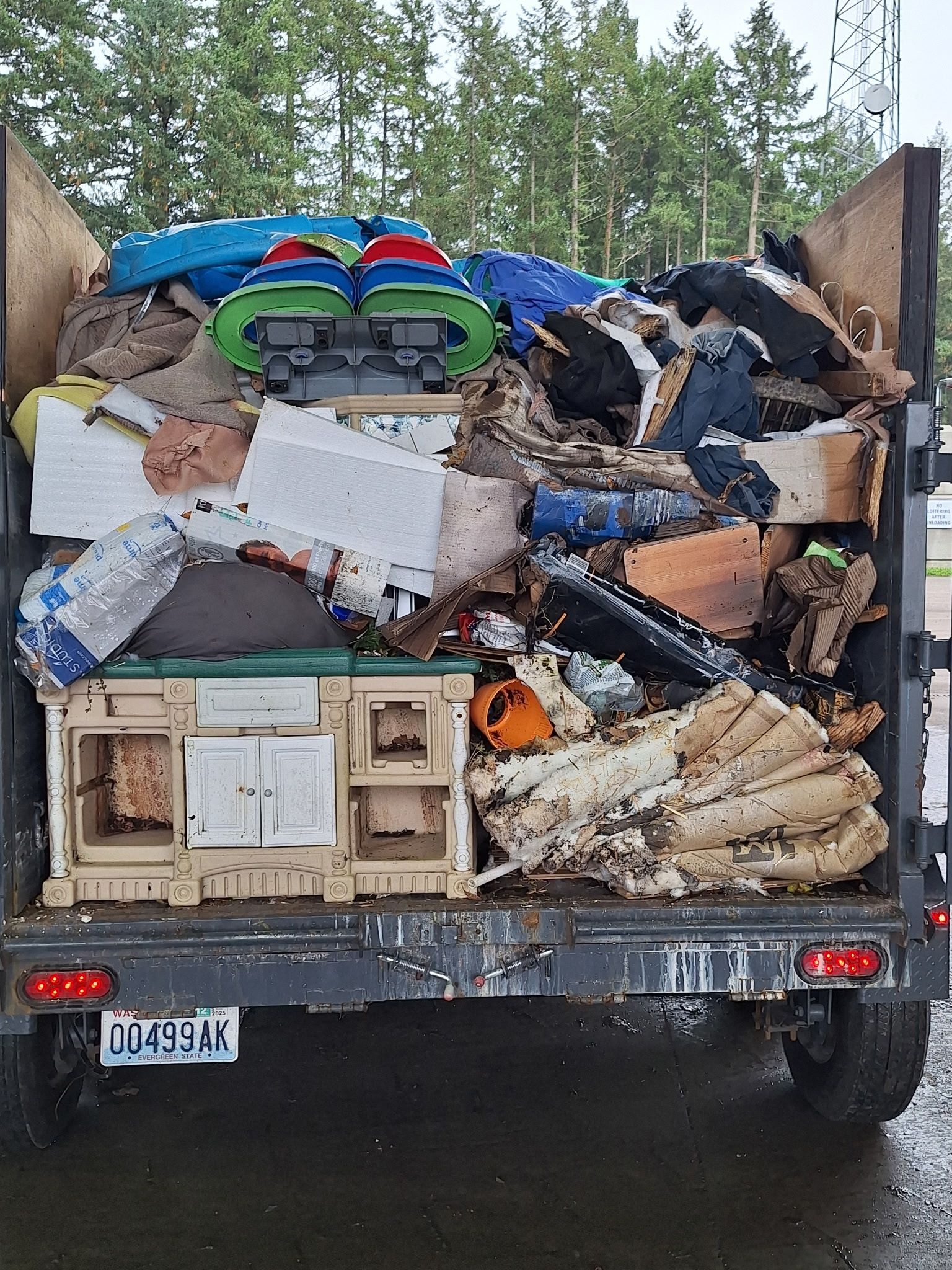
Beyond natural yard waste, many properties also have leftover materials that accumulate over time. Old fencing, broken planters, unused lumber, or piles of debris from past projects can take up space and make the yard harder to use.
Mid-spring is a good time to clear these out, especially as outdoor spaces start getting more use. For heavier or bulkier items, this is where a
junk removal service
for yard debris and cleanup materials can help simplify the process and keep everything moving efficiently.
This checklist isn’t about doing everything perfectly. It’s about addressing the areas that have the biggest impact on how your yard looks, drains, and grows as the season continues.
Common Yard Cleanup Challenges in Western Washington
Even with a clear checklist, getting everything done can be more difficult than it sounds. In Western Washington, the challenge is often less about knowing what to do and more about the conditions that make it harder to do it efficiently.
One of the biggest hurdles is the amount of material that builds up, especially on properties with heavy tree coverage where it isn’t just a one-time cleanup. It tends to come down in layers, which can turn what seems like a simple task into a multi-day project. What starts as a few piles can quickly become more than most homeowners want to handle on their own.
Property layout also plays a role. In places like Silverdale and Tacoma, tighter neighborhoods can limit where debris can be staged or how equipment is used. On the other end, larger or more rural properties often mean more ground to cover, longer cleanup times, and more physical effort to move materials from one area to another. Both situations require a bit more planning than a standard yard cleanup.
Ground conditions can add another layer of difficulty. Even when the weather improves, soil can remain soft in shaded or low-lying areas. That makes it harder to move equipment, haul debris, or complete tasks like edging and reseeding without creating additional wear on the yard.
Time is often the final constraint. Spring schedules fill up quickly, and yard cleanup tends to compete with everything else that comes with the season. When projects stretch across multiple weekends, it’s easy for progress to stall or for certain steps to be skipped altogether.
This is where having the right level of support can make a difference. Whether it’s help with debris removal, lawn restoration, or a more complete yard cleanup, the goal is to keep the project moving and get it to a point where the yard is easier to maintain going forward.
DIY vs Professional Yard Cleanup: What Makes Sense This Time of Year
By mid-spring, the decision between handling yard cleanup yourself or bringing in professional help usually comes down to how much work is left and how quickly you want it done.
If your yard is already mostly in shape and you’re just finishing a few remaining tasks, doing it yourself can still be a practical option. Smaller projects or light cleanup are often manageable, especially if debris has already been cleared and growth is under control.
However, when there’s still a larger amount of work left, things tend to shift. At this point in the season, grass, weeds, and shrubs are all growing more quickly, which means unfinished cleanup can become more time-consuming with each passing week. What might have been a simple project earlier in the spring can take significantly more effort now.
Professional yard cleanup helps address that gap. Instead of spreading the work across multiple weekends, it allows everything to be handled in a more focused timeframe. That can include debris removal, lawn care, trimming, and other tasks that bring the yard back to a clean, usable state before the season moves further along.
For many homeowners, the decision isn’t about whether they can do the work themselves. It’s about whether they want to keep working on it, or if they’d prefer to have it handled for them and enjoy the yard once it’s fully taken care of.
How Yard Cleanup Services Help You Catch Up Quickly
Final Thoughts: Get Your Yard Ready for the Season Ahead
As spring continues to settle in, your yard often starts to show what still needs attention. Some areas may just need a final pass, while others still require a more complete reset. Either way, taking care of it now helps set the tone for the months ahead.
This isn’t about hitting a perfect deadline or getting everything done at once. It’s about making sure your yard is in a place where it’s easier to maintain, easier to use, and more enjoyable as the weather continues to improve. The more you address now, the less you’ll have to manage as growth picks up heading into summer when outdoor spaces start getting more regular use.
If you’re ready to wrap up your spring yard cleanup and get your outdoor space into better shape, our
lawn care and yard services can help you take that next step with a focused, efficient approach. And if your project also includes clearing out larger debris or leftover materials, our
junk removal services are available to handle that part of the process as well.