Why Moss Grows So Easily in the Pacific Northwest
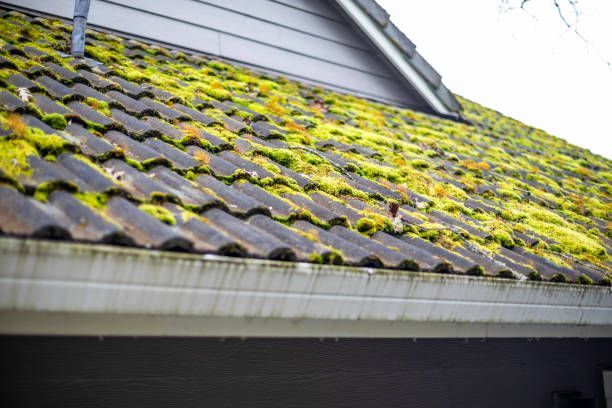
The climate around the Puget Sound creates near-perfect conditions for moss growth. Frequent rain, steady moisture, and moderate year-round temperatures allow damp surfaces to stay wet longer than they would in drier regions. Add in heavy tree cover that shades roofs for much of the day, and you have an environment where surfaces rarely get the chance to fully dry out.
Roof slopes often collect pine needles, leaves, and organic debris, especially in wooded neighborhoods common throughout Pierce and Kitsap County. That debris traps moisture against shingles, creating a consistently damp surface. Over time, moss takes hold and begins rooting directly into the roofing material.
What may begin as a thin green film can quickly develop into thick, sponge-like growth across entire sections of the roof. Left untreated, that growth continues to spread season after season.
Roof Moss Isn't Just an Aesthetic Issue
It’s easy to assume moss removal is mainly about curb appeal. While a clean roof certainly improves how your home looks, the bigger concern is protecting the roofing system itself.
Moss holds moisture against shingles and can contribute to problems that affect the underlayment, gutters, fascia, and other surrounding materials. In the wet Western Washington climate, regular moss removal from roof surfaces can help reduce that prolonged moisture exposure and support the overall condition of the roof.
That’s why roof moss removal is more than a cosmetic service. It’s part of routine home maintenance that can help protect roofing materials and reduce the risk of larger problems developing over time.
What Happens If You Don’t Remove Moss From Your Roof?
Many homeowners begin thinking about how to remove moss from their roof only after the problem becomes obvious. However, moss damage often begins long before it’s visible from the ground.
Here’s what removing moss from your roof as soon as it grows can help prevent:
1. Damage to Roof Shingles
Moss acts like a sponge. It holds moisture directly against shingles, preventing them from drying properly. On asphalt roofs, this can cause shingles to curl, lift, or break down prematurely over time. As moss thickens, it also creates conditions that encourage algae and other organic buildup. While algae alone may not cause structural failure, it contributes to staining and accelerates surface degradation when combined with persistent moisture.
What begins as surface growth gradually weakens the protective outer layer of the shingles. If you need to remove moss from roof shingles after years of buildup, there is a strong possibility that material deterioration has already started beneath the visible growth.
2. Water Intrusion and Rot
As shingles begin to lift or separate due to prolonged moisture exposure, small gaps can form along seams and edges. When moss continues to trap water in these vulnerable areas, moisture can work its way beneath the roofing material. In older homes especially, that moisture may eventually reach the underlayment or roof decking. This is often the point where minor moss patches escalate into leaks and more significant structural repairs.
Persistent dampness does more than weaken shingles themselves. Prolonged moisture exposure can interfere with proper roof ventilation and increase the likelihood of trapped humidity within the roofing system. In the Pacific Northwest, where homes already contend with high ambient moisture levels, preventing excess roof saturation plays an important role in maintaining overall building envelope performance.
3. Gutter and Drainage Issues
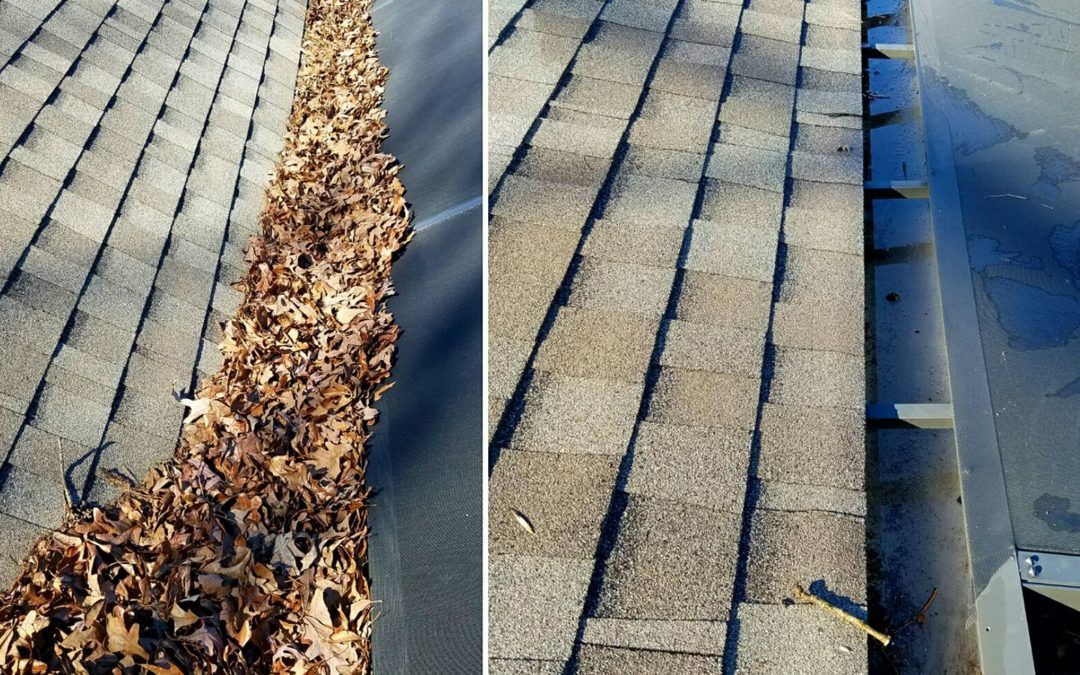
Moss does not stay neatly confined to the roof surface. As it thickens, dries, and breaks apart, fragments wash down into
gutters and downspouts during heavy rains. When combined with pine needles, fir cones, and leaf debris common in wooded areas like those found on the Key Peninsula and Gig Harbor, this buildup can quickly restrict proper water flow.
Once drainage is compromised, rainwater has nowhere to go. Gutters may overflow, sending water down exterior walls or back toward the roofline. Over time, this repeated saturation accelerates fascia rot, siding damage, and trim deterioration. What began as moss on roof shingles can gradually affect the broader exterior envelope of the home if runoff is not properly managed.
How to Remove Moss From a Roof Without Damaging the Shingles
It's common for homeowners to think that removing moss from roof shingles is as easy as scraping it off, but depending on how long the moss has been there, it's often not that simple. While there are DIY methods available, it's important to be aware that improper removal can cause more damage than the moss itself.
Aggressive scraping or high-pressure washing can strip protective granules from asphalt shingles, force water beneath roofing layers, and even void manufacturer warranties. In the Pacific Northwest, where moisture is already a constant factor, pushing water deeper into the roofing system can accelerate the very problems you’re trying to prevent.
Moss treatment and moss removal are related, but they are not always the same step. A treatment may be used to kill or loosen existing growth and slow regrowth, while the remaining material still needs to be removed in a way that does not damage the shingles.
A professional roof moss removal service focuses on addressing the growth while protecting the roofing materials underneath.
Safe moss removal may involve:
- Controlled, low-impact removal methods
- Targeted treatment of remaining moss growth
- Careful handling of debris to prevent gutter blockage
The goal is not just to clean moss off the roof temporarily, but to remove moss from roof shingles without causing unnecessary damage. Once the existing growth is addressed, preventative maintenance can help reduce how quickly it returns.
Can You Prevent Moss From Coming Back?
Moss can return even after a roof has been thoroughly cleaned, especially in the damp, shaded conditions common throughout Western Washington. Prevention is less about guaranteeing that moss will never grow again and more about creating conditions that make regrowth slower and easier to manage.
Follow-up moss treatments can help control new growth, while keeping roof surfaces and gutters clear of leaves, pine needles, and other organic debris reduces the moisture moss depends on. Trimming overhanging branches where practical can also improve sunlight and airflow around shaded areas of the roof.
Homes surrounded by trees or with north-facing roof sections may still need periodic treatment or removal despite these precautions. Regular monitoring makes it easier to address new growth before it develops into heavier buildup.
How Often Should You Schedule Roof Moss Removal?
In shaded or tree-heavy areas like Gig Harbor, Lakebay, and parts of Port Orchard, moss can begin returning within a year if conditions remain favorable. Homes surrounded by evergreens or located on north-facing slopes are especially prone to recurring buildup.
Most homes in Western Washington benefit from annual roof inspections, with moss treatment or removal scheduled as needed based on how quickly growth returns. Checking the roof before the heaviest winter rains can make it easier to catch new buildup before it becomes more established.
Homes in heavily wooded areas may need more frequent attention, especially when needles, leaves, or other organic debris collect on the roof or in the gutters. If that cleanup extends beyond the roof itself, services like
trimming overhanging branches or
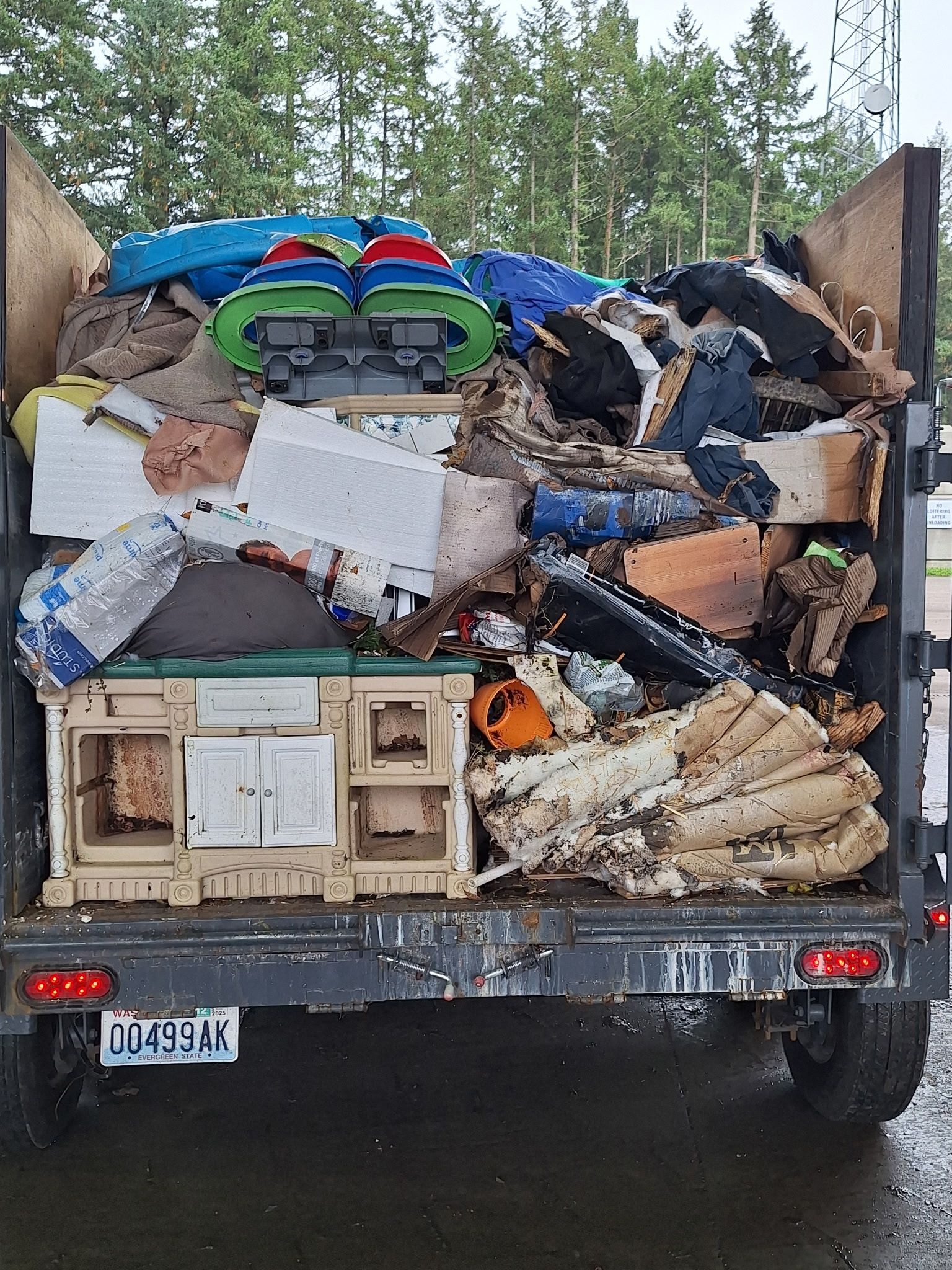
professional yard waste hauling can help reduce some of the conditions that encourage moss growth.
Regular monitoring makes it easier to address moss while it is still manageable rather than waiting for thick buildup to spread across larger sections of the roof.
Roof Moss Removal vs. Roof Replacement: How to Know the Difference
It’s a common assumption that visible moss automatically means a roof is beyond saving. In reality, that isn’t always the case.
In many situations, professional roof moss removal may help preserve otherwise sound shingles. When moss is addressed early, before it has lifted shingles or caused structural moisture intrusion, removal and preventative treatment are often enough to restore the roof’s performance.
The key difference is timing. Light to moderate moss growth on otherwise sound shingles is typically a maintenance issue. Widespread deterioration, curling shingles, exposed underlayment, or active leaks may signal that replacement by a roofing professional is the more responsible option.
That’s why evaluation matters. A reputable roof moss removal service will assess the condition of the roofing material before recommending next steps. The goal is preservation whenever possible, not unnecessary replacement.
In the Pacific Northwest, where roofs already endure heavy moisture exposure, proactive moss removal is often the difference between routine maintenance and premature roofing costs.
Professional Roof Moss Removal in the South Sound
At
PRP Home Services, we provide roof moss removal services as part of our broader exterior maintenance offerings throughout Gig Harbor, the Key Peninsula, Tacoma, and surrounding communities.
Our approach focuses on:
- Safe moss removal
- Protecting roof shingles
- Preventing future buildup
- Supporting overall exterior longevity
If you’re noticing green buildup on your roof, now is the time to address it before the wet season makes it worse.
Learn more about our pressure washing and exterior maintenance services→
Don’t Let Moss Shorten the Life of Your Roof
Moss may blend naturally into the Pacific Northwest landscape, but it doesn’t belong on your roof.
Regular roof moss removal protects your investment, maintains curb appeal, and helps your home handle the region’s wet climate year after year.
If you’re unsure whether it’s time for moss removal, reach out for a consultation. A proactive approach now can prevent
far more expensive repairs later.