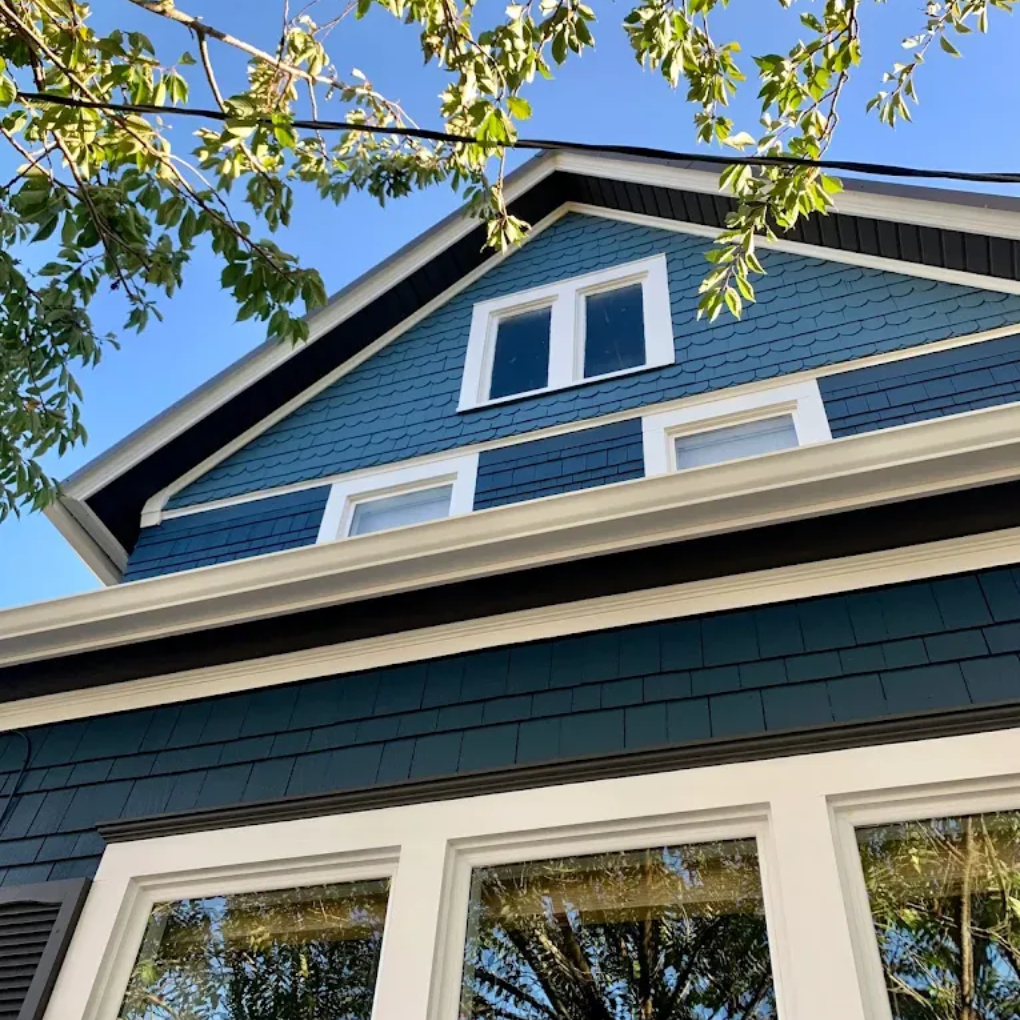
When Does House Trim Need Repair or Replacement?
Common Window and Door Trim Damage:
What to Look For and When to Repair It
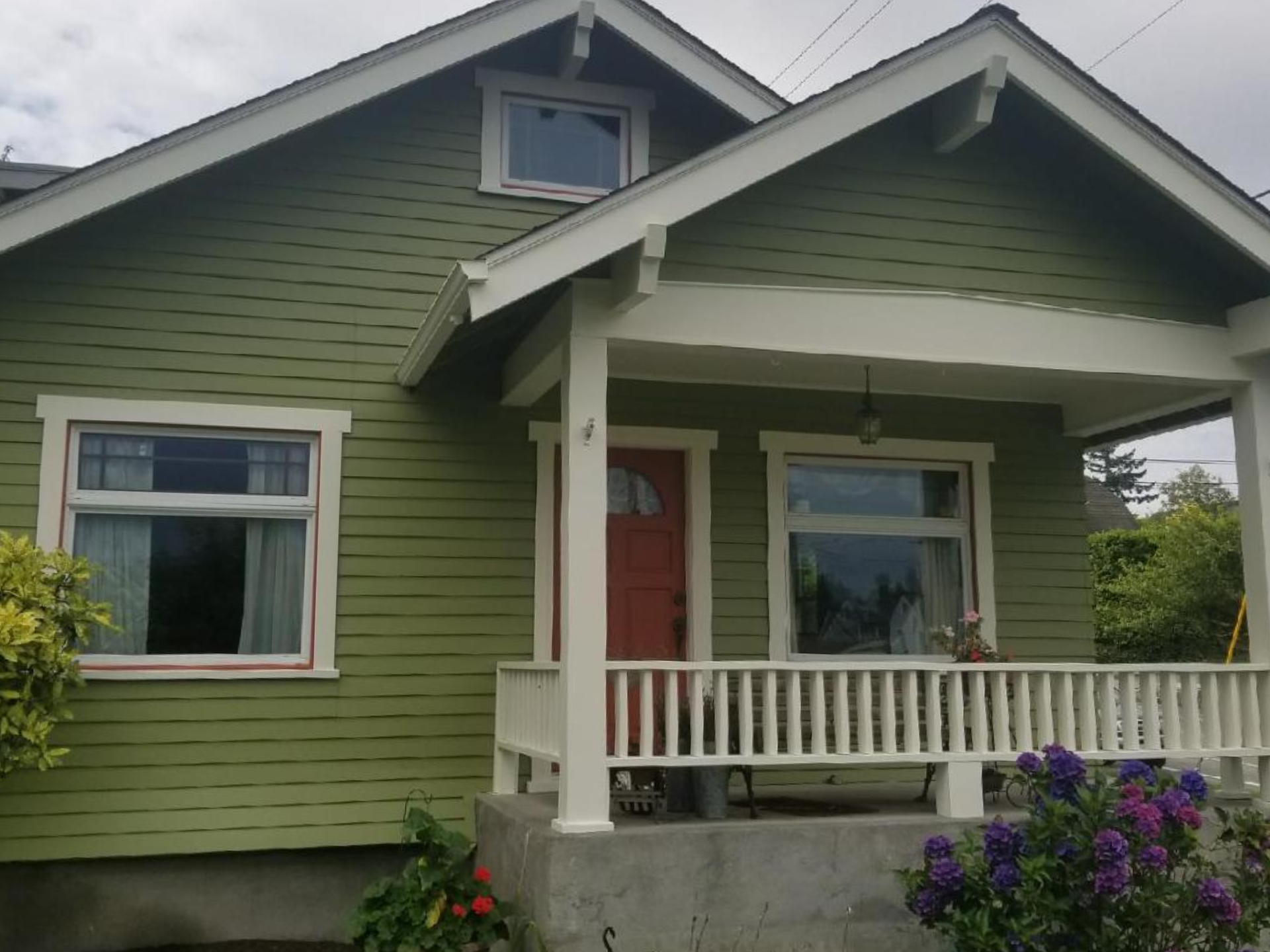
Small Trim Problems Can Tell You a Lot
Window and door trim can be easy to forget about until you notice something has changed. Maybe the paint starts peeling in one corner, a caulked seam begins to separate, or a section of wood that once felt solid becomes soft. These changes don't always point to a serious problem, but they can offer useful clues about what's happening along your home's exterior.
Here in Western Washington, exterior trim has to stand up to plenty of rain and lingering moisture, particularly around the joints and openings surrounding windows and doors. A small area of damaged trim may simply need localized attention, while recurring or worsening damage can indicate that the problem extends beyond normal surface wear. Catching these issues early can make house trim repair more straightforward and reduce the chance that a relatively small problem spreads to nearby materials.
The challenge is knowing what you're looking at. Peeling paint isn't necessarily wood rot, and one damaged section doesn't automatically mean all of the trim needs to be replaced. In this guide, we'll look at common signs of window and door trim damage, what may be causing them, and how to determine when repair or replacement is worth considering.
Why Window and Door Trim Is Especially Vulnerable to Damage
Trim does more than frame windows and doors; it also helps protect the joints where exterior materials meet. The areas around windows and doors are some of the most exposed transition points on a home's exterior. These openings interrupt the siding and create joints where trim, caulking, paint, and surrounding materials all need to work together to keep weather out. Because of that, even a small failure in one layer can leave the wood underneath more vulnerable.
Sunlight, temperature changes, wind-driven rain, and normal aging can all wear down exterior finishes and sealants. Once paint begins to crack or caulking pulls away, water can collect along horizontal surfaces, work into small gaps, or linger around corners and lower sections where drainage is slower. This is one reason window trim can start rotting in a relatively small area before the rest of the trim shows obvious damage.
The most common trouble spots are often around window sills, joints between trim pieces, lower corners of exterior doors, and areas where trim meets siding. Damage may begin in just one section rather than affecting an entire board. Paying attention to these vulnerable areas can make exterior trim repair more manageable and help homeowners address the source of the problem before replacing more material than necessary.
Common Signs of Window and Door Trim Damage
Trim damage doesn't always look the same, and not every visible flaw means the wood underneath is failing. Some issues are mostly cosmetic, while others can point to deterioration that may need attention. Knowing what to watch for makes it easier to distinguish between the two.
Peeling, Cracking, or Bubbling Paint
Paint is one of the first things homeowners tend to notice because changes are easy to see. Peeling, cracking, or bubbling can happen as exterior finishes age, but it can also leave the wood beneath more exposed to weather.
Paint failure by itself doesn't mean the trim is rotten. However, if peeling repeatedly returns in the same area, the surface feels soft underneath, or the damage appears alongside staining or open joints, it's worth looking beyond the finish to see what may be happening beneath it.
Cracked or Separating Caulk
Caulk helps seal the joints where trim meets siding, windows, doors, and adjoining pieces of material. As it ages, it can crack, shrink, or pull away and leave small openings along those transitions.
A failed caulk joint doesn't necessarily mean the trim itself is damaged. The important question is whether the surrounding wood is still sound or has begun to deteriorate. If you notice separation, especially around lower corners or other exposed areas, checking the condition of the wood can help determine whether resealing is enough or if wood trim repair may also be needed.
Gaps, Loose Pieces, or Separating Joints
Trim that has started pulling away from the house, separating at corners, or shifting out of position deserves attention. Changes like these can result from aging materials, fastener failure, movement, impact damage, or deterioration in the wood itself.
Look for sections that feel loose when gently checked, joints that no longer sit flush, or gaps that weren't there before. These problems aren't always moisture-related, but they can leave surrounding areas more exposed if they're allowed to worsen.
Swelling, Warping, or Changes in Shape
Exterior trim should generally be straight and consistent in shape. If a board begins to swell, bow, twist, or look uneven, it may have absorbed moisture or experienced other material changes.
You might also notice a door or window becoming harder to open or close, though that alone doesn't prove the trim is responsible. Wood naturally expands and contracts as temperature and moisture levels change, and Western Washington's wet winters and drier summer weather can make those seasonal shifts more noticeable.
Frames, hardware, settling, and other components can also affect how an opening operates. However, visible swelling, warping, or distortion in the trim itself (especially when it persists or appears alongside staining, peeling paint, or soft wood) can be a sign that moisture has affected the material and is worth investigating further.
Discoloration or Persistent Staining
Darkened areas, water marks, or other discoloration can sometimes be harmless surface staining, especially on exterior materials exposed to weather. What makes staining more noteworthy is when it repeatedly returns after cleaning or painting, grows larger, or appears alongside other symptoms such as peeling paint, open joints, or soft wood.
Pay attention to where the staining appears and whether it follows the same pattern after wet weather. Marks that repeatedly develop beneath a window sill, around a lower door corner, or along a joint may indicate that water is consistently reaching that area rather than simply leaving surface dirt behind. During Western Washington’s wetter months, exterior materials can stay damp for extended periods, making recurring discoloration easier to dismiss as just another weather stain.
Persistent staining doesn't automatically mean the wood is damaged, but it is a reason to check the surrounding trim rather than simply cover the area with another coat of paint.
Soft, Crumbling, or Rotted Wood
Wood that feels soft, spongy, brittle, or begins to crumble is more concerning than surface-level wear. This kind of deterioration can indicate decay, particularly when you also see cracking, discoloration, or sections of wood around windows rotting near sills and joints. Similar deterioration can occur around exterior doors, especially near lower sections that receive frequent weather exposure.
Because rot can look different depending on how advanced it is, it's helpful to recognize the signs of wood rot before deciding what kind of repair may be needed. If a section of rotted window trim or damaged door trim has lost its structural integrity, simply repainting or resealing the surface won't restore the affected wood.
If you suspect trim damage, it’s important to look at these signs together rather than treating any single symptom as a diagnosis. Peeling paint, for example, may only need refinishing, while peeling paint combined with persistent staining, open joints, and soft wood points to a very different situation.
Where Should You Check for Trim Damage?
Trim problems often start in a few predictable places, especially where water can collect, materials meet, or protective finishes have begun to fail. A quick visual check around these areas can help you spot changes before they become more obvious.
As you walk around the exterior, pay particular attention to:
- Lower corners of exterior door trim
- Window sills and lower window trim
- Joints where vertical and horizontal trim pieces meet
- Areas where trim meets siding
- Places where caulk has cracked or separated
- Sections beneath roof runoff or repeated water exposure
- Previously repaired or repainted areas where damage has returned
Finally, compare different sides of the house rather than assuming the trim will age evenly. Sun exposure, prevailing weather, rooflines, nearby trees, and drainage patterns can all affect how quickly one area deteriorates compared with another. Looking for those differences can make it easier to tell the difference between isolated wear and a recurring pattern that may need to be addressed.
Is It Cosmetic Damage or Something That Needs Repair?
Not every flaw around a window or door calls for carpentry work. Some changes are mostly superficial, while others suggest that the trim itself may be deteriorating. The key is to look beyond appearance and consider whether the material underneath is still sound.
May Be Mostly Cosmetic
- Faded or weathered paint with no softness, swelling, or other visible damage beneath it
- Minor scratches or scuffs that haven't exposed or weakened the wood
- Small surface imperfections that remain stable rather than growing or returning after refinishing
Worth a Closer Look
- Peeling or bubbling paint that repeatedly returns
- Open joints or widening gaps
- Loose or separating trim
- Persistent staining, especially in the same location
- Swelling, warping, or other changes in shape
- Soft, brittle, or crumbling wood
- Damage that reappears after caulking, patching, or repainting
The biggest difference is usually what is happening beneath the surface. Fresh caulk or paint can improve the appearance of sound trim, but it won't restore wood that has already deteriorated or correct a recurring source of moisture. If the same problem keeps coming back, the next step may be wood trim repair rather than another cosmetic fix.
You don't necessarily need to know the exact cause before asking for help. If the same issue returns after refinishing, spreads beyond the original spot, or begins affecting the wood itself, it may need more than a cosmetic fix.
When Can Wood Trim Be Repaired, and When Should It Be Replaced?
The right solution depends on more than how the damage looks from the surface. The type of material, where the problem is located, what caused it, and how far the deterioration has progressed all help determine whether repairing wood trim makes sense or replacement is the better option.
Small, localized issues don't always require replacing every piece around a window or door. In some cases, repairing exterior window trim or replacing a single damaged section may be enough, particularly when the surrounding material is still solid and the source of the problem has been addressed. That can make targeted repairs a practical option without turning a relatively small issue into a much larger project.
More extensive deterioration is a different situation. If the wood has become soft, crumbling, badly warped, or damaged across multiple sections, trim replacement may be more reliable than repeatedly patching material that has already lost its integrity. Depending on the location and extent of the problem, that could mean replacing a single piece of window or door trim or completing a broader exterior wood trim replacement project.
Rot follows the same general rule. Minor deterioration may sometimes be repairable if the surrounding wood is still sound, while advanced decay often means the affected material needs to be removed and replaced. Simply filling or painting over rotted wood doesn't restore the strength underneath. If you're unsure whether the damage you're seeing is actually decay, our guide on how to recognize the signs of wood rot covers the common warning signs in more detail.
Just as important is understanding why the damage developed in the first place. Replacing trim without addressing whatever caused the deterioration can leave the new material vulnerable to the same problem. That may mean correcting failed caulking, drainage, or another nearby exterior issue as part of the repair.
The goal isn't to replace more than necessary, but it also isn't to keep damaged material in place when it has deteriorated too much to perform properly. Evaluating the condition of the surrounding material can help determine how much of the trim is still sound and which approach makes the most sense for the specific area.
Why It Helps to Address Trim Damage Early
Trim damage that keeps returning or becomes more extensive is worth addressing before the repair grows more complicated. If the trim itself is still sound, exterior painting services may be enough to refresh and protect the surface. If the wood has begun to deteriorate, exterior carpentry repairs may be the more appropriate next step.
Preventative repair isn't about reacting to every cosmetic flaw. It's about addressing problems early enough that a small repair has less chance to become a larger one.
When Is It Time to Act?
Pay particular attention when the same problem reappears after repairs, multiple symptoms show up together, or damage is visible in more than one area. You don't need to identify the exact cause yourself—the goal is to recognize when a cosmetic issue may have progressed into something that needs repair.
Getting Help With Exterior Trim Repair
If exterior trim feels soft, has started pulling away from the house, or continues deteriorating after being repainted or resealed, it may be time to have the area evaluated. At that point, the question is less about how the trim looks and more about how much of the material is still sound and what kind of repair makes sense.
PRP Home Services provides exterior carpentry and trim repair services for homeowners dealing with damaged wood and other exterior repair needs. Depending on the condition of the area, the work may involve repairing a localized section, replacing deteriorated trim, or addressing nearby maintenance issues that could contribute to the damage.
The right solution will depend on the condition and extent of the damage. An experienced exterior trim carpenter can help determine which material can reasonably be repaired, what should be replaced, and whether another exterior issue needs attention before the trim is finished.
Pay Attention to What Your Trim Is Telling You
Window and door trim may seem like a small part of your home's exterior, but visible wear can provide early clues that maintenance or repair may be needed. Not every flaw points to a major problem, but damage that keeps returning or becomes more pronounced is worth taking seriously.
What matters most is recognizing when a surface-level issue has started affecting the material itself or continues despite cosmetic fixes. Addressing the cause of the damage is usually more effective than repeatedly covering it with caulk, filler, or another coat of paint.
If you're not sure whether you're looking at normal wear or a repair issue, PRP Home Services can help determine what kind of repair may be appropriate based on the condition of the trim and surrounding exterior.