How to Tell If Your Exterior Paint Is Starting to Fail
When the outside of the home stops looking or performing the way it used to, it’s not just an aesthetic issue, but likely a sign that it’s time for some new exterior paint. Paint may begin looking dull in certain areas, trim may start feeling worn or brittle, and portions of siding may begin showing signs of prolonged moisture exposure after extended wet weather.
In the Pacific Northwest especially, exterior paint tends to wear differently than it does in hotter or drier climates. Instead of dramatic cracking all at once, many homes develop slower signs of deterioration caused by persistent moisture, shaded conditions, moss and algae growth, and years of seasonal weather exposure.
The challenge is that these early warning signs are easy to overlook when they develop gradually over time. What starts as minor discoloration, soft trim, failing caulking, or slight peeling can eventually lead to larger repainting or repair projects if the exterior surfaces are left unprotected for too long.
Learning how to recognize signs early helps homeowners make better decisions about exterior paint maintenance, repairs,
pressure washing, and repainting before more significant damage begins developing beneath the surface.
1. Peeling, Cracking, or Bubbling Paint
One of the most noticeable signs your house needs
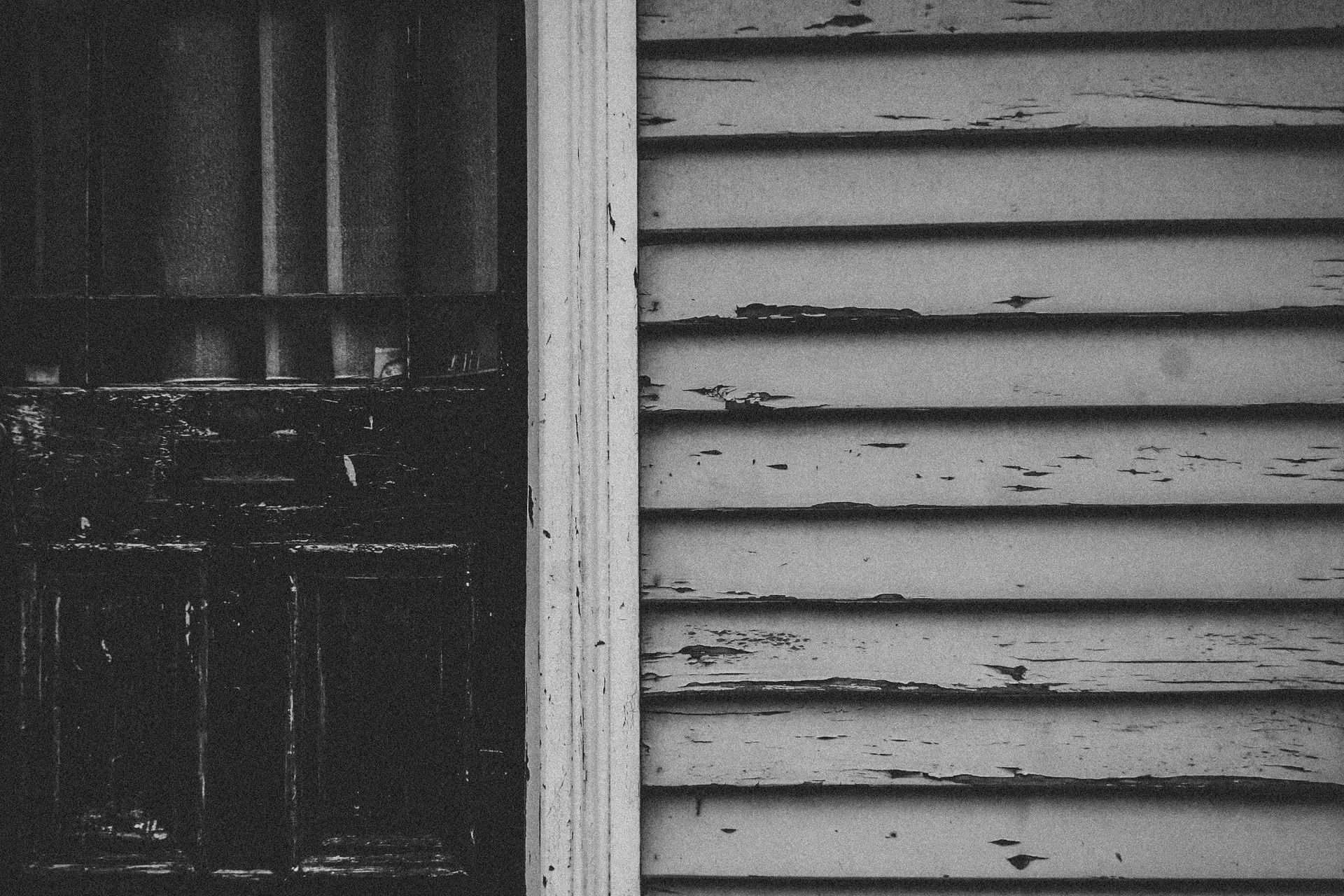
exterior painting is paint that is no longer adhering properly to the surface underneath. Peeling edges, hairline cracking, bubbling, or sections of paint lifting away from the siding usually indicate that the protective exterior coating has started breaking down.
In many Pacific Northwest homes, these problems tend to appear first in areas that stay damp longer after rain. For that reason, window trim, lower siding sections, fascia boards, garage door trim, and shaded sides of the home are often some of the earliest places where deterioration becomes visible.
Bubbling paint is especially important to pay attention to because it often indicates moisture becoming trapped beneath the surface coating. In many cases, homeowners first notice the issue after wet weather, when certain areas remain raised, uneven, or slow to fully dry compared to the surrounding siding.
Other clues that the problem may be extending beyond the visible bubble include:
- paint that looks swollen near joints or seams
- recurring bubbling in the same location
- uneven texture changes beneath otherwise intact paint
- isolated areas where the surface continues deteriorating season after season
Cracking and peeling don’t always mean the entire house immediately needs repainting, but they do signal that exterior surfaces are becoming more vulnerable to moisture exposure and weather damage. Once paint loses its seal against the surface, deterioration tends to accelerate much faster. That’s one reason these issues are worth addressing early, especially in climates where damp conditions and seasonal moisture can continue working their way behind exposed siding and trim.
2. Soft Wood, Swelling, or Moisture Damage Around Trim
Once exterior paint and sealants begin wearing down, moisture can gradually start affecting the material underneath the surface. In many homes, this becomes most noticeable around trim, fascia boards, siding edges, and other exposed exterior details where water has had repeated opportunities to work into vulnerable areas over time.
Unlike peeling or fading paint alone, soft or swollen wood often indicates that water intrusion has already been affecting the material underneath for an extended period.
Homeowners may notice:
- trim that feels soft when lightly pressed
- wood grain becoming more exposed through thinning paint
- joints separating near corners or seams
- swollen boards that no longer sit flush
- recurring moisture stains near windows or gutters
- areas that stay damp noticeably longer after rainfall
These conditions are especially important to catch early because moisture-damaged trim and siding rarely improve on their own and may eventually require
siding and trim repair before repainting becomes practical. Once water begins working beneath the protective paint layer, deterioration can also spread into surrounding materials if repairs and repainting are delayed too long.
3. Fading or Uneven Color Changes
Exterior paint naturally changes over time, but noticeable fading or uneven color loss is often one of the earlier signs that the paint system is beginning to wear out. This often becomes obvious once certain sides of the house start looking noticeably duller, flatter, or more weathered than the rest of the exterior.
Sun exposure plays a role, but moisture and seasonal weathering can affect color consistency as well. In the Pacific Northwest, it’s common for homes to develop different wear patterns depending on how much sunlight, airflow, and rain exposure each side of the house receives throughout the year.
Some common signs include:
- siding that looks faded even shortly after cleaning
- areas that appear lighter or washed out compared to surrounding surfaces
- trim losing its sharp color definition
- areas that appear faded even when the surface is otherwise intact
- paint that no longer looks rich or consistent in direct sunlight
Darker paint colors often make this type of aging more noticeable, especially on heavily exposed sides of the home where UV exposure gradually breaks down pigments.
While fading may seem mostly cosmetic at first, it often signals that the exterior coating is no longer holding up as evenly against weather exposure. As paint continues aging, surfaces may become more vulnerable to moisture penetration, surface wear, and additional deterioration in the years that follow.
4. Paint That Looks Worn, Thin, or Unevenly Coated
5. Mildew, Algae, or Dark Staining on the Surface
Dark streaking, green discoloration, or recurring mildew spots are some of the most common exterior paint problems homeowners notice in damp, shaded environments. These issues tend to develop gradually on surfaces that receive limited sunlight or stay wet for long periods after rainfall.
In many cases, the buildup appears first:
- beneath rooflines
- behind dense landscaping
- around gutters and downspouts
- along lower sections of siding
- on north-facing walls that receive less direct sunlight and dry more slowly throughout the year
One thing homeowners often notice is that certain areas continue looking dark, streaked, or discolored even after
pressure washing or routine exterior cleaning. In reality, those surfaces may be collecting layers of algae, mildew, moss residue, or organic staining that have gradually settled into the paint over time.
When staining or mildew return quickly after cleaning, it can sometimes indicate that the exterior paint surface itself is becoming more porous and weathered with age. At that stage, cleaning may improve appearance temporarily, but the paint may no longer be protecting the surface as effectively as it once did.
6. Chalking or Powdery Residue on the Paint
Chalking happens when exterior paint begins breaking down from long-term weather exposure. Instead of maintaining a solid protective surface, the outer paint layer slowly starts deteriorating into a fine powder that rubs off onto your hand when touched.
This issue is often easiest to notice on older siding, trim, railings, or sun-exposed areas where paint has been exposed to years of moisture, temperature changes, and UV exposure. Lighter chalking can be part of normal paint aging, but heavier residue usually indicates the protective surface is beginning to break down more aggressively.
Homeowners sometimes notice:
- a dusty residue after touching the siding
- faded areas that look dry or flat
- paint color transferring onto clothing or hands
- surfaces that continue looking weathered shortly after cleaning
- inconsistent texture across different sides of the home
In damp climates, chalking can create additional problems because aging paint surfaces become less resistant to moisture and environmental buildup over time. Once the paint begins deteriorating at the surface level, it also becomes harder for future coatings to bond properly without
thorough cleaning and preparation
beforehand. That’s why heavily chalked surfaces are often a strong sign that exterior paint maintenance or repainting should be evaluated before the deterioration progresses further.
7. Cracked or Failing Caulking
Caulking is one of the most overlooked parts of an exterior paint system, but it plays a major role in keeping moisture out of vulnerable gaps and joints around the home.
As caulking ages, it gradually dries out, shrinks, separates, or loses flexibility. Homeowners often begin noticing problems around windows, door frames, siding joints, corner boards, fascia connections, and other areas where different exterior materials meet or where water regularly drains across the surface.
Small gaps may not seem urgent at first, but once sealants begin pulling away from the surface, moisture can start working its way into the surrounding trim and siding during repeated wet weather conditions.
Some of the most common signs of failing exterior caulking include:
- thin cracks along seams
- hardened or brittle caulking lines
- visible separation at corners
- paint pulling away near joints
- recurring moisture staining beneath seams
These problems often develop fastest on sides of the home exposed to heavier weather, repeated runoff, or long periods of seasonal moisture.
One reason caulking failure matters so much is that repainting alone does not solve it. If deteriorated sealants remain in place, moisture can continue working behind freshly painted surfaces and shorten the lifespan of the new paint much earlier than expected.
That’s why professional exterior paint inspections often focus just as closely on joints, seams, and sealants as they do on the painted surfaces themselves.
8. Visible Wear on Trim and High-Exposure Areas
Trim and other exposed exterior details often show signs of aging earlier than larger siding sections because they contain more edges, seams, joints, and exposed surfaces where moisture and weather wear tend to concentrate. These areas also experience more expansion and contraction as temperatures and moisture levels change throughout the year, which gradually puts additional stress on both the paint and the material underneath.
Homeowners commonly begin noticing wear around windows, doors, fascia boards, railings, deck edges, and outside corners where paint is exposed to repeated moisture, temperature changes, and direct sunlight. In many cases, these areas may start looking rough, thin, brittle, or uneven before larger wall sections show obvious deterioration.
Since trim boards are smaller and more exposed, paint failure tends to become more noticeable there first. Homeowners may see:
- exposed wood grain beneath thinning paint
- rough or splintering texture changes
- cracking along board edges
- paint wearing away near corners and joints
- recurring peeling in the same high-exposure locations
This type of wear is especially important to monitor because trim and edge details often help seal and protect more vulnerable portions of the exterior. Once these areas begin deteriorating, moisture can work into joints and exposed materials much more easily during long wet seasons.
Even when the main siding still appears relatively solid overall, heavily worn trim can be an early indicator that the home’s exterior paint system is beginning to age more broadly.
9. Your Home Hasn’t Been Painted in Many Years
10. Small Exterior Problems Often Start Connecting Over Time
Most exterior paint issues do not stay isolated forever. What begins as a small peeling section, minor trim wear, or a few failing caulk lines can gradually spread into larger areas of visible aging across the home.
At first, homeowners often address these problems individually. A small section gets touched up. A piece of trim is repaired. Certain areas are cleaned more frequently than others. Over time, though, it becomes easier to notice that the exterior is no longer aging evenly as a whole.
This is usually the stage where homeowners begin seeing a pattern rather than a single isolated issue. Different sides of the home may be wearing at different rates, older repairs may no longer blend well, and recurring maintenance issues may start appearing more frequently year after year.
That does not always mean the house immediately needs a full repaint. In some cases, targeted repairs and maintenance are still enough to extend the life of the existing paint. But when widespread wear begins affecting multiple areas at once, a larger
exterior painting project often becomes the more practical long-term solution compared to repeatedly addressing small sections individually.
One advantage of identifying this stage early is that homeowners usually still have more flexibility in planning repairs, preparation work, and repainting schedules before more serious exterior deterioration develops underneath the surface.
The Earlier You Spot Exterior Paint Problems, the More Options You Have
Exterior paint problems rarely appear all at once. More often, homes gradually begin showing signs of wear through fading surfaces, aging caulking, recurring buildup, exposed trim, or sections of paint that no longer protect the exterior as effectively as they once did.
The advantage of identifying these changes early is that homeowners usually have more flexibility before larger repairs become necessary. In some cases,
exterior cleaning, updated caulking,
localized repairs, or targeted repainting may be enough to extend the life of the existing paint system and improve the condition of the home’s exterior.
As surfaces continue aging, though, isolated maintenance often becomes less effective than addressing the exterior more comprehensively. Paying attention to how the home is wearing overall helps homeowners make better long-term decisions about maintenance, preparation work, and repainting timelines before moisture and deterioration spread further into the underlying materials.
If your home is beginning to show several of the warning signs covered throughout this article,
PRP Home Services can help to help determine which issues are cosmetic, which may require repairs, and whether repainting should be planned sooner rather than later.
Protecting exterior paint is ultimately about more than maintaining appearance alone. It’s about helping the home stay protected, properly maintained, and easier to care for over the long term.
If you're ready to repaint the exterior of your home,
schedule an exterior paint inspection today!