Gutter cleaning isn’t something most homeowners think about until there’s a problem. But by the time water is spilling over the edge or showing up where it shouldn’t, the issue has usually been building for a while.
In Western Washington, gutters tend to take on more than people expect. Between steady rainfall, fallen leaves, evergreen needles, and moss buildup, it doesn’t take long for debris to collect and restrict proper drainage. Homes in areas like Port Orchard and across the Key Peninsula are especially prone to this because of the surrounding tree coverage and long wet seasons.
So what happens if gutters get clogged?
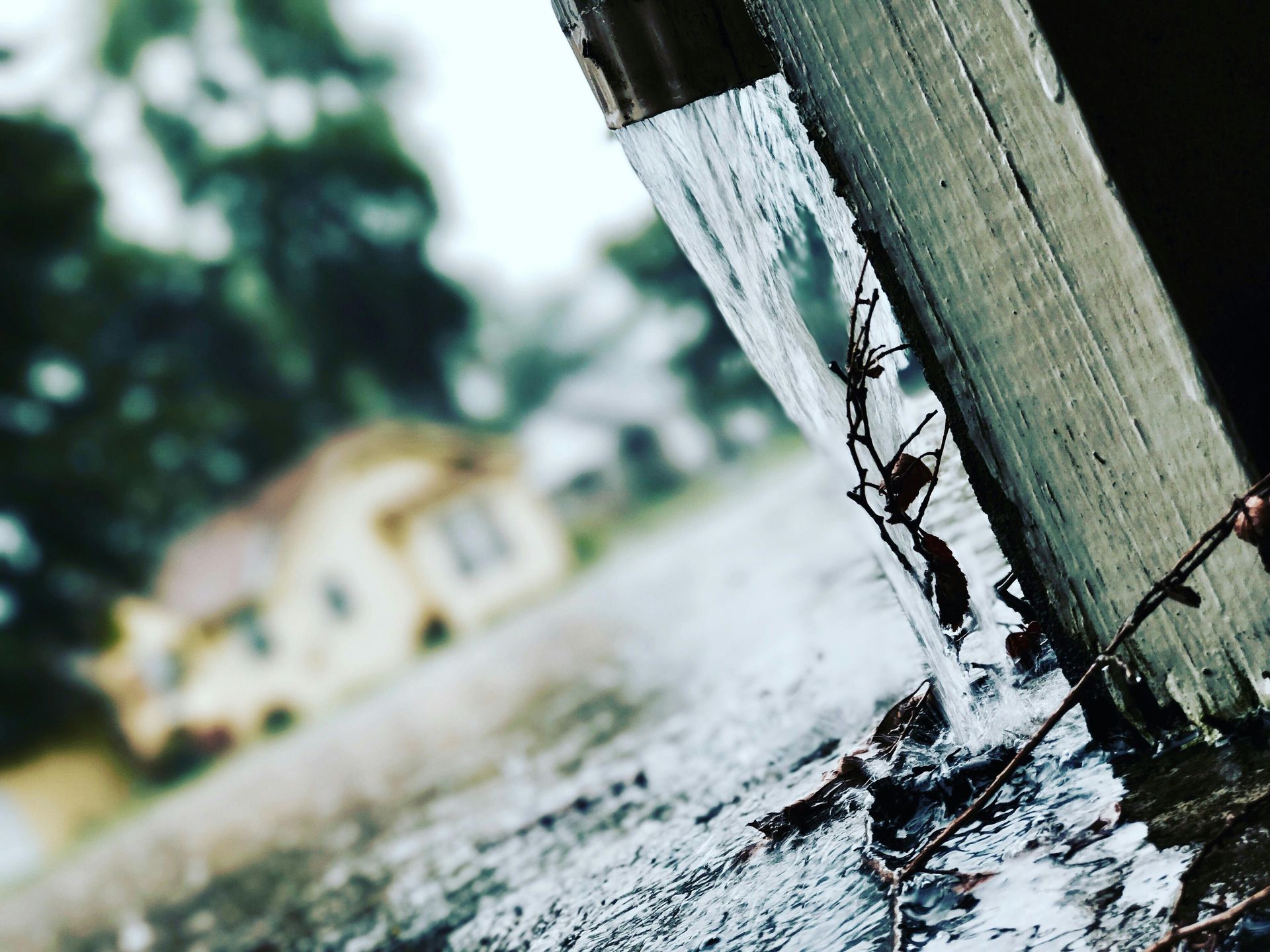
Instead of directing water safely away from your home, clogged gutters and downspouts can cause water to back up or overflow. That water doesn’t just disappear. Instead, it often ends up along your roofline, down your siding, or pooling around your foundation.
The good news is that most of this damage is preventable. With a consistent gutter cleaning schedule and a little attention throughout the year, you can avoid many of the common issues that come from clogged rain gutters and protect your home before small problems turn into expensive repairs.
What Happens If Gutters Get Clogged?
Can Clogged Gutters Cause Roof Leaks or Ceiling Damage?
Yes, clogged gutters can absolutely lead to roof leaks and even visible damage inside your home. In many cases, what starts as a simple blockage turns into a slow, hidden moisture problem that works its way inward over time.
How Water Gets Where It Shouldn’t
When gutters and downspouts are blocked, rainwater has nowhere to go. It begins to collect along the roof edge, where it can eventually work beneath shingles or behind fascia boards.
Once moisture gets into those areas, it can travel farther than you might expect. Roofing materials are designed to shed water quickly, not hold standing moisture along the roofline. When water lingers, it increases the chance of intrusion into the layers below, including the roof decking and attic space.
Common Warning Signs
Early signs of this type of damage are often subtle, but they tend to become more noticeable over time. Homeowners may start to see:
- Stains or discoloration on ceilings or upper walls
- Peeling or bubbling paint near the roofline
- Soft, damp, or darkened wood around eaves and soffits
These issues are easy to overlook at first, especially during long stretches of wet weather, but they usually indicate that water is not being directed properly off the roof.
Why This Is Common in the Pacific Northwest
In Western Washington, these problems tend to show up more frequently due to the environment. Long rainy seasons mean gutters are handling a steady flow of water for months at a time. Add in moss, dense tree coverage, and constant buildup from surrounding vegetation, and moisture can stay trapped in the system longer than it should. That combination creates the perfect conditions for water to sit, back up, and eventually find its way into places it was never meant to reach.
Keeping gutters clear before the heaviest fall and winter rains arrive is one of the simplest ways to avoid these issues. This becomes especially important heading into fall and winter storms, when gutters are under the most strain. Regular cleaning helps ensure water continues moving away from your roof, rather than settling into it.
How Clogged Gutters Can Lead to Basement and Foundation Issues
Gutters are not just there to protect your roof. They play a key role in keeping water away from the base of your home. When they stop working properly, the effects often show up at ground level.
Overflow at Ground Level
When gutters and downspouts are clogged, water is no longer carried away from the home as intended. Instead, it ends up collecting around the base of the structure, especially during heavier or prolonged rain.
In areas prone to steady rainfall, sometimes for days at a time, this kind of overflow can quickly lead to saturated soil around the foundation. Consistently saturated soil can also affect how water drains around the home, increasing pressure against foundation walls.
Long-Term Consequences
Water pooling near your home may not seem like a major issue at first, but over time it can create more serious problems. Repeated exposure to excess moisture can lead to:
- Soil erosion around the foundation
- Shifting or settling that causes cracks over time
- Water intrusion into basements or crawlspaces
- Increased humidity levels that contribute to mold or mildew
These issues tend to develop gradually, which is why they are often overlooked until repairs become more involved and expensive.
Downspout Blockages
Downspouts are a critical part of the system, but they are also one of the most common points of failure. Even if the gutters themselves look clear, a blockage in the downspout can prevent water from draining properly.
When this happens, the entire system backs up. Water that should be carried away from the home ends up overflowing at the roofline and collecting at the foundation, creating problems in multiple areas at once.
Staying ahead of these issues with regular gutter cleaning and maintenance is far more manageable than dealing with foundation repairs or moisture damage later on.
Other Damage from Clogged Gutters Most Homeowners Don’t Expect
When people think about clogged gutters, they usually picture water spilling over the edge. What often gets missed is the quieter, slower damage that builds over time as moisture continues to sit where it shouldn’t. Because these issues develop gradually, they can go unnoticed until the damage is more advanced.
One of the most common problems is deterioration of exterior materials. When moisture is consistently present, it can begin to break down:
- Trim and fascia boards along the roofline
- Siding, especially near seams and edges
- Painted surfaces that are exposed to constant moisture
Over time, this can lead to soft or rotting wood that requires repair rather than simple maintenance.
Moisture also creates the right conditions for mold and mildew growth. Shaded areas of the home, which are common throughout Western Washington, tend to stay damp longer. When gutters are clogged, that moisture lingers even more, increasing the chances of visible staining and organic growth along siding, soffits, and nearby surfaces.
The gutter system itself can also be affected. As debris builds up and becomes saturated, it adds weight to the gutters. This can cause sections to sag, pull away from the roofline, or even detach completely if the strain continues.
You may also notice staining along the exterior of the home where water has been running down the siding instead of through the proper drainage path. These streaks are often one of the first visible signs that something isn’t working as it should.
Another issue that tends to surprise homeowners is pest activity. Leaves and debris trapped in gutters can create a sheltered, damp environment that attracts insects and, in some cases, small rodents looking for a place to nest.
The key takeaway is that damage from clogged gutters is rarely immediate. It builds slowly over time, which makes it easier to ignore at first but more costly to address later if it’s left unchecked.
Signs Your Gutters Need Cleaning
In many cases, gutter problems develop gradually before obvious damage appears. The good news is that there are several visible signs you can catch early, often with a quick walk around your property.
During or shortly after rainfall is one of the best times to check. Instead of focusing on isolated problems, this is about recognizing patterns that suggest your gutter system is not moving water the way it should.
Here are some of the clearest signs your gutters may need cleaning:
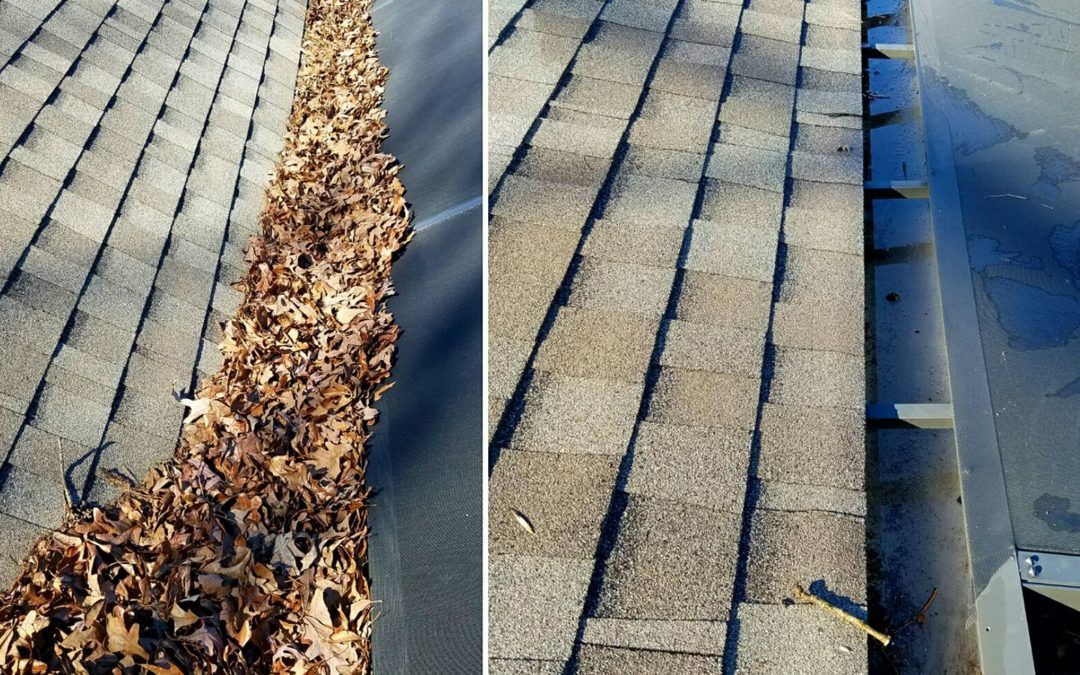
- Water spilling over the edges instead of flowing through downspouts
- Leaves, needles, or even small plants growing inside the gutters
- Sections of gutter that appear to sag or pull away from the roofline
- Water collecting near the base of the home after rain
- Downspouts that drip slowly or not at all during heavy rainfall
In areas with nearby tree coverage, as is common in many neighborhoods throughout Gig Harbor, Port Orchard, and the Key Peninsula, gutters can fill faster than expected. That makes regular visual checks especially important, even if everything looks fine from the ground at first glance.
A simple habit that can make a big difference is doing a quick inspection a few times a year. Look along the roofline, check corners and downspouts, and pay attention to how water behaves during a storm. If anything seems off, it is usually a sign that it is time for gutter cleaning and maintenance.
Catching these signs early helps prevent larger issues and keeps your gutter system working the way it was designed to.
How Often Should Gutters Be Cleaned in Western Washington?
Gutter cleaning is not a one-time task. In a region like Western Washington, where rain and organic debris are constant factors, it works best as part of a regular maintenance routine.
General Recommendation
For most homes, gutters should be cleaned at least twice per year. This creates a basic gutter cleaning schedule that helps keep water flowing properly through the system and reduces the risk of buildup over time.
When More Frequent Cleaning Is Needed
Some homes require more frequent attention depending on their surroundings and condition. You may need gutter cleaning more often if:
- Your home is surrounded by trees
- Your roof tends to collect moss or organic debris
- Your gutter system is older or has a history of drainage issues
In these situations, debris can build up quickly, especially during fall and winter, making additional cleanings a smart preventative step.
Best Times
of Year
Timing matters just as much as frequency. The most effective approach is to plan cleaning around seasonal changes, such as:
- Late fall, after leaves and needles have dropped
- Early spring, to clear out winter buildup and prepare for heavier rain
These two points in the year help reset the system before and after the most demanding conditions.
For homeowners who prefer not to keep track of scheduling or who want to stay ahead of potential issues, this is also where a
seasonal maintenance plan can be helpful. Instead of reacting to problems, routine service ensures gutters are cleaned at the right times and continue working as intended throughout the year.
Consistent gutter cleaning maintenance not only protects your home but also simplifies upkeep by turning a reactive task into a predictable part of home care.
Why Gutter Cleaning Matters Before Painting or Exterior Work
Preventative Home Maintenance: Why Gutters Shouldn’t Be Overlooked
When people think about home maintenance, they often focus on visible updates like paint, landscaping, or interior improvements. Gutters tend to fall lower on the list, even though they quietly support how the entire exterior performs over time.
Because the system works in the background, it is easy to overlook until something noticeable changes. By the time water is no longer draining properly, the underlying issue has often been building for a while.
From a practical standpoint, gutter cleaning is less about reacting to problems and more about staying ahead of them. A consistent gutter cleaning schedule helps keep everything moving as it should, reducing the need for more involved repairs and helping other exterior elements last longer.
For homeowners who prefer a more hands-off approach, an ongoing home maintenance program can make things easier. Instead of tracking seasonal needs and reacting to buildup, routine service ensures gutters are cleaned at the right times and remain part of a well-managed exterior maintenance plan.
Keeping gutters in working condition is not just about avoiding problems. It is about maintaining a system that helps your home perform reliably year-round.
Professional Gutter Cleaning vs DIY
Gutter cleaning is one of those tasks that many homeowners consider handling themselves. In some cases, that approach can work. But it is also a job where small details make a big difference in how well the system performs afterward.
What Professionals Actually Do
Professional gutter cleaning involves more than just removing visible debris. A thorough approach typically includes:
- Clearing out leaves, needles, and buildup from the entire gutter system
- Flushing downspouts to make sure water flows freely
- Checking how water moves through the system during and after cleaning
- Noticing early signs of wear, drainage issues, or areas that may need attention
The goal is not only to clean the gutters, but to make sure the system is functioning properly once the work is done.
DIY Challenges
While it may seem straightforward, cleaning clogged gutters can come with a few challenges, including:
- Working on ladders, especially in wet or uneven conditions
- Reaching all sections of the roofline safely and effectively
- Fully clearing downspouts, where blockages are often hidden
- Recognizing early signs of damage before they become bigger issues
Professional gutter cleaning tends to focus on long-term performance rather than a quick cleanup. By addressing both the visible debris and the underlying flow of the system, gutters can continue doing their job between cleanings, in turn reducing the likelihood of recurring problems. Well-maintained gutters can last for many years, but neglect and buildup can shorten their lifespan significantly.
A Simple Habit That Prevents Bigger Problems
It is easy to think of gutters as just another part of the exterior, but they function more like a protection system for your home. When they are clear and working properly, they quietly direct water away from areas that would otherwise be vulnerable to damage.
Most of the issues linked to clogged gutters are not sudden. They develop over time as water is repeatedly misdirected. That also means they are largely avoidable with consistent attention and a basic maintenance routine.
Taking a proactive approach does not require a major investment. A regular gutter cleaning schedule, combined with occasional checkups, can go a long way toward protecting your roof, siding, and foundation from unnecessary wear.
If you are unsure where your gutters stand or it has been a while since they were last cleaned, it may be worth taking a closer look. Staying ahead of buildup is often the simplest way to avoid larger repairs later on.
If you’d like to take the next step, you can learn more about our
gutter cleaning services and how they fit into a long-term maintenance plan for your home.