Why Pressure Washing Helps Exterior Paint Last Longer
Pressure Washing and Painting:
Why Proper Exterior Cleaning Matters
Most homeowners think of pressure washing as something that simply improves curb appeal. Siding looks brighter, walkways look cleaner, and the house feels more refreshed overall. While that’s certainly part of it, exterior cleaning also plays a much bigger role in protecting the surfaces around your home.
Over time, dirt, algae, mildew, moss, pollen, and other buildup can begin collecting on exterior surfaces. In areas like Tacoma, Gig Harbor, Bremerton, and the Key Peninsula, shaded lots and damp conditions often allow that residue to linger much longer than expected.
As those contaminants accumulate, painted areas remain wet for longer periods, finishes deteriorate more quickly, and smaller maintenance concerns become easier to miss.
That’s why pressure washing the exterior of your home is better viewed as part of a long-term exterior maintenance plan rather than something done strictly for appearance. Cleaner surfaces help exterior materials stay in better condition and allow paint to perform the way it’s designed to.
What Builds Up on Exterior Surfaces in Western Washington?
Homes throughout Western Washington are exposed to a very different set of conditions than homes in drier climates. Instead of intense heat and prolonged sun exposure, areas from Tacoma to Silverdale deal more with persistent moisture, tree debris, and long stretches of damp weather. Over time, those conditions allow debris to collect on siding, trim, concrete, fences, and other exterior surfaces, especially in shaded areas with limited airflow.
Moss, Algae, and Mildew Thrive in PNW Conditions
Frequent rain, dense tree coverage, and limited winter sunlight create ideal conditions for moss, algae, and mildew growth throughout the Pacific Northwest. North-facing walls and shaded areas are often affected first, particularly on wooded properties in Gig Harbor, the Key Peninsula, and Bremerton where surfaces may stay damp for extended periods. In Tacoma neighborhoods with mature landscaping and older homes, buildup commonly appears around trim, soffits, fences, and retaining walls.
Dirt and Organic Debris Do More Than Look Bad
Not all exterior buildup appears bright green or highly visible. Pollen, dust, fir needles, and tree residue also accumulate throughout the year, particularly around gutters, rooflines, landscaping edges, and low-airflow areas. Even when surfaces don’t appear heavily stained, this layer of organic debris can contribute to discoloration, dull-looking paint, and faster surface wear over time.
Salt Air and Coastal Moisture Near the Water
Homes near the water often deal with an additional layer of exposure. In waterfront areas like parts of Gig Harbor, Port Orchard, and Bremerton, salt air and higher humidity can gradually increase surface residue and make exterior materials harder to keep clean long term. Those homes also tend to stay damp longer after rain, which can create more demanding maintenance conditions overall.
Because of all these factors, exterior cleaning tends to play a larger role in home maintenance throughout Western Washington than it does in many other parts of the country.
Why Clean Surfaces Help Exterior Paint Last Longer
Exterior surfaces are constantly exposed to pollen, airborne debris, algae, mildew, and organic residue. As it accumulates, it begins affecting how well painted surfaces hold up over time.
Organic residue can also retain water against siding, trim, fascia, and other outdoor materials long after rain has stopped. In shaded areas or beneath heavy tree coverage, surfaces may stay damp for extended periods, which gradually accelerates wear on both the paint and the material underneath.
Over time, this can contribute to:
- Premature peeling or bubbling paint
- Soft or weakened wood
- Increased staining or discoloration
- Mildew growth
- Faster breakdown of exterior finishes
Removing residue regularly allows surfaces to dry more evenly and limits the prolonged exposure that often shortens the lifespan of exterior paint.
Cleaning Helps You Spot Small Problems Earlier
Routine exterior cleaning also makes it easier to identify smaller issues before they turn into larger repairs.
When surfaces are cleaned regularly, homeowners are more likely to notice:
- Cracked or failing caulking
- Early signs of wood rot
- Damaged trim or siding
- Peeling paint
- Areas where water may be collecting improperly
Catching those problems early is usually far simpler and less expensive than waiting until larger sections of paint or siding begin to fail.
For many homeowners throughout Gig Harbor, Port Orchard, Tacoma, and surrounding areas, pressure washing becomes part of a broader exterior upkeep strategy by protecting underlying materials and helping painted surfaces last longer overall.
Should You Pressure Wash Before Painting Your Home? (Yes—Here’s Why)
Pressure washing is one of the most important parts of exterior paint preparation. Even high-quality paint will struggle to perform properly if it’s applied over dirt, mildew, chalking residue, or other surface contaminants.
Many paint problems that appear a few years later actually begin long before the first coat is applied. If the surface isn’t cleaned thoroughly beforehand, paint may adhere unevenly or begin failing earlier than expected.
Paint Prep Starts with Surface Cleaning
Before exterior painting begins, surfaces need to be cleaned well enough for new paint to bond properly. Over time, homes accumulate layers of dirt, pollen, mildew, and oxidized paint residue that may not always be obvious from a distance.
Pressure washing helps remove:
- Dirt and organic materials
- Chalking or oxidized paint residue
- Mildew and algae growth
- Loose contaminants sitting on the surface
Without that cleaning step, paint is often being applied over dirt and grime rather than directly onto the siding or trim itself. That creates a weaker foundation for the new finish and increases the likelihood of premature wear.
In the PNW especially, skipping proper surface preparation can significantly shorten the lifespan of an exterior paint job.
Proper Pressure Washing Requires the Right Approach
While pressure washing is an important part of paint preparation, using too much pressure can actually damage exterior surfaces. Siding, trim, older wood, and caulking can all be affected if the cleaning method isn’t matched to the material being cleaned.
That’s why different surfaces often require different techniques. In some cases, traditional pressure washing works well for durable materials like concrete or certain types of siding. In others, soft washing may be the safer option. Soft washing relies more on cleaning solutions and lower pressure to get rid of buildup without damaging the surface itself.
This becomes especially important around older homes in Tacoma, wooded properties near Gig Harbor, and moisture-prone areas throughout the Key Peninsula where exterior materials may already be more vulnerable to wear. Taking the right approach ensures that exterior cleaning supports the lifespan of the paint instead of creating new surface problems.
How Long Should You Wait Between Pressure Washing and Painting?
One of the most common questions homeowners ask before an exterior painting project is how long they should wait after pressure washing before paint can be applied. The short answer is that surfaces need enough time to dry completely, but the actual timing depends heavily on weather conditions, surface materials, and how much moisture the home has been exposed to beforehand, especially in Western Washington where exterior surfaces often stay damp longer than expected.
Surfaces Need Time to Dry Completely
After pressure washing, moisture doesn’t just sit on the surface. Water can remain trapped in wood grain, around trim joints, behind siding seams, and in shaded areas where airflow is limited.
This is particularly common during spring and early summer throughout Pierce and Kitsap counties, where overnight moisture and cooler temperatures can slow the drying process. Even when siding appears dry from the outside, deeper moisture may still be present underneath.
Weather Conditions Affect Drying Time
Drying time varies from one property to another depending on several conditions, including:
- Sun exposure
- Humidity levels
- Shade from trees or nearby structures
- Airflow around the home
- The time of year
Homes surrounded by dense landscaping or heavy evergreen coverage often dry much more slowly than properties with full sun and better ventilation. For that reason, there isn’t a single exact timeframe that works for every home. Some surfaces may dry relatively quickly during warm summer conditions, while others may need additional time depending on the material and weather pattern.
Why Timing Matters
Painting too soon after pressure washing can trap moisture beneath the new coating, which may lead to:
- Peeling paint
- Bubbling or blistering
- Uneven curing
- Premature paint deterioration
Allowing enough drying time helps ensure the surface is actually ready to accept paint properly. That’s one reason professional exterior painting and pressure washing schedules are often planned together rather than treated as separate steps.
Signs Your Home’s Exterior Needs Cleaning
One reason exterior cleaning often gets postponed is that many of the early warning signs appear minor at first glance. A home may still appear generally clean at a glance while algae, staining, pollen, and surface residue continue building up in less noticeable areas. By the time it becomes obvious from the street, exterior surfaces have often been exposed to those conditions for much longer than homeowners realize.
Some of the most common signs that a home may need exterior cleaning include:
- Green discoloration on siding, fences, or retaining walls
- Black streaking or dark staining near rooflines and gutters
- Pollen collecting on horizontal surfaces and trim
- Dingy or uneven-looking siding that no longer appears clean after rain
- Exterior paint starting to look dull or faded earlier than expected
- Slippery walkways, patios, or stairs caused by algae or moisture
- Overflow staining beneath gutters or around downspouts
These issues tend to appear faster on north-facing walls, beneath heavy tree coverage, and in areas with limited airflow where moisture lingers longer after rainfall. Regular exterior maintenance, including pressure washing and gutter cleaning, removes buildup before it begins contributing to more noticeable wear on painted surfaces and other exterior materials.
Commonly Overlooked Areas That Often Need Pressure Washing
When homeowners think about exterior cleaning, they usually focus on the most visible surfaces first, like siding or driveways. The problem is that some of the areas most vulnerable to buildup and moisture exposure are also the easiest to overlook.
- Fascia and soffits: These areas regularly collect runoff, mildew, and dark streaking near the roofline, especially beneath gutters and overhanging trees. Because they sit higher on the home, buildup often goes unnoticed until discoloration or paint wear becomes more severe.
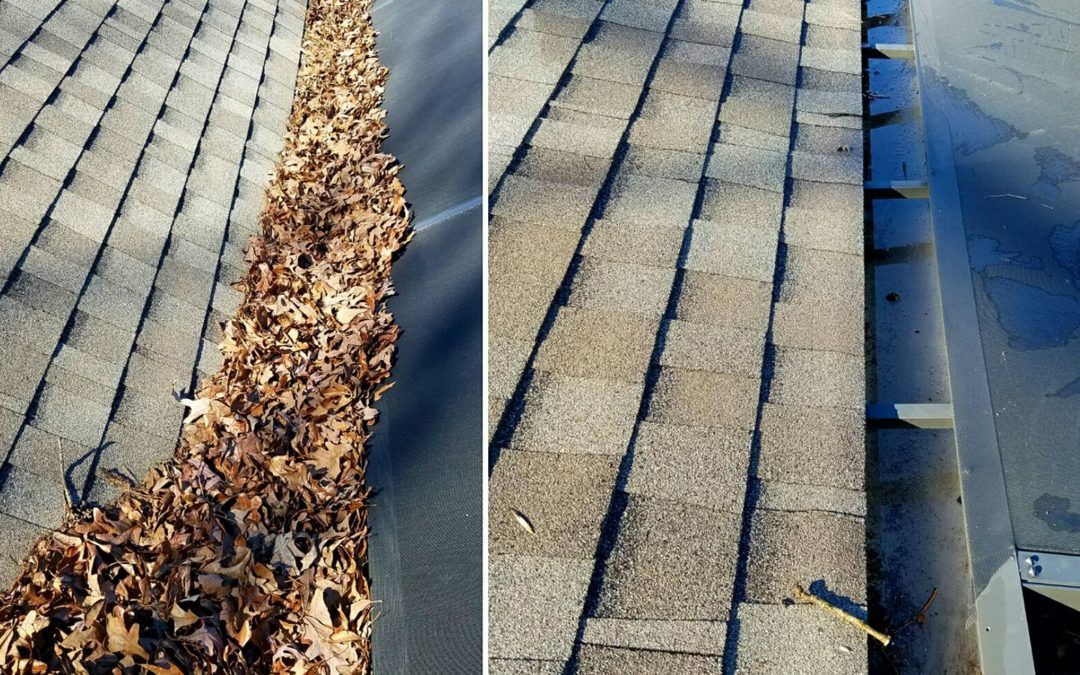
- Around gutters and downspouts: Dirt, roof runoff, pollen, and moisture commonly collect around gutters and drainage areas throughout the rainy season. Overflow staining beneath gutters is often an early sign that cleaning or maintenance is overdue.
- Under deck railings and covered areas: Covered patios, deck railings, and exterior stairs tend to stay damp longer because they receive less sunlight and airflow. Over time, algae and mildew can make these surfaces slippery and harder to fully clean later.
- Garage doors and entry areas: Vehicle residue, pollen, and soot gradually collect around frequently used entrances. Because homeowners see these areas every day, buildup often becomes noticeable only after the surface is cleaned.
- Retaining walls and fence lines: Shaded retaining walls and fences are especially prone to moss, algae, and staining in wooded areas around Gig Harbor, Bremerton, and the Key Peninsula where moisture lingers longer after rain.
Paying attention to these less obvious areas helps homeowners catch buildup and moisture exposure earlier, before they begin contributing to more noticeable surface wear around the property.
How Routine Pressure Washing Helps Prevent Costly Exterior Repairs
One of the biggest misconceptions about exterior cleaning is that it only becomes necessary once the house already looks noticeably dirty. In reality, by the time buildup becomes obvious from the street, surfaces have often been exposed to moisture, grime, and organic residue for much longer than homeowners realize.
What starts as a light layer of buildup is usually much easier to clean than years of accumulated staining and surface wear. Delaying exterior cleaning can gradually contribute to:
- Deep staining
- Premature paint wear
- Slippery concrete or walkways
- Soft or moisture-damaged wood
- More extensive preparation before repainting becomes necessary
Routine pressure washing interrupts that cycle before buildup becomes harder to remove or begins affecting the condition of the materials underneath.
Cleaning Is Usually Cheaper Than Early Repainting
Exterior painting is a major investment for most homeowners, which is why protecting the existing paint matters so much. While routine cleaning still requires maintenance over time, it is usually far less expensive than repainting surfaces earlier than necessary because buildup and surface wear were left unchecked.
Keeping siding, trim, fences, and other exterior surfaces clean helps reduce the conditions that contribute to premature deterioration. For many homeowners, routine exterior washing extends the usable life of existing paint before larger repainting projects become necessary.
Regular Exterior Cleaning Helps Protect Your Investment
Homes that age well over time are usually the ones where smaller maintenance tasks are handled consistently before larger problems develop. Exterior cleaning fits directly into that approach.
For homeowners who prefer a more proactive maintenance schedule, a customizable home maintenance plan can help simplify seasonal upkeep by keeping exterior cleaning, gutter maintenance, and other recurring services on a more consistent schedule throughout the year.
At its core, pressure washing is less about making a house look freshly cleaned for a few weeks and more about keeping outdoor materials in better condition over time.
DIY vs Professional Exterior Cleaning
For smaller projects or light surface cleaning, some homeowners choose to handle exterior washing themselves. In certain situations, that can work well, especially when accumulation is minimal and the surfaces are easy to access.
The challenge is that exterior cleaning becomes much more complicated once algae, grime, moisture exposure, and multiple material types are involved. Throughout Western Washington, homes often deal with conditions that allow algae, mildew, grime, and debris to linger longer than expected, especially in shaded or low-airflow areas. In those situations, effective cleaning usually requires a more careful approach than simply using high pressure across every surface.
DIY Pressure Washing Challenges
One of the most common mistakes with DIY pressure washing is using too much pressure for the surface being cleaned. While concrete can usually handle more aggressive cleaning, siding, trim, caulking, and painted wood can all be damaged if pressure settings are too high or applied incorrectly.
DIY exterior cleaning can also lead to:
- Uneven or streaky results
- Missed debris in shaded areas
- Water forced behind siding or trim
- Damage to older paint or softer wood surfaces
- Safety risks when ladders or elevated areas are involved
In many cases, homeowners also underestimate how much residue remains after a surface initially looks clean. Algae, mildew, and organic residue often require the right cleaning methods and solutions to fully remove rather than simply rinse off temporarily.
Why Professional Cleaning Often Produces Better Results
Professional exterior cleaning focuses less on maximum pressure and more on using the right method for each surface. Different materials often require different approaches. Painted wood, vinyl siding, concrete, fences, retaining walls, and composite materials all respond differently to moisture and cleaning pressure. Using the proper equipment and material-specific techniques gets rid of buildup more thoroughly while reducing the risk of unnecessary damage.
Professional cleaning also makes it easier to identify problem areas that homeowners may not notice right away, including:
- Early paint failure
- Moisture-prone sections of the home
- Areas with poor drainage or airflow
- Hidden accumulation beneath gutters or landscaping
Because exterior cleaning is approached more systematically, the results also tend to be more consistent across the entire property.
Why Some Homes Need More Frequent Exterior Cleaning
Certain properties are naturally more difficult to maintain due to layout and environmental conditions. Homes built on Tacoma hillsides, for example, often have difficult-to-access exterior sections and drainage patterns that leave surfaces damp longer. Wooded properties in Gig Harbor and the Key Peninsula, on the other hand, commonly deal with heavier moss, algae, and debris accumulation because of dense evergreen coverage and reduced sunlight. In parts of Port Orchard and other waterfront areas, moisture exposure can remain consistently high for much of the year.
In situations like these, professional pressure washing services often provide a safer and more effective way to fully clean exterior surfaces without creating additional wear or damage in the process.
When Is the Best Time to Pressure Wash a Home in Western Washington?
The best time to pressure wash a home usually depends on the condition of the property, the amount of buildup present, and what the homeowner is trying to accomplish afterward. Most homes do not need multiple cleanings within a short period unless there are unusually heavy moisture conditions, dense tree coverage, or ongoing issues.
For many homeowners, the goal is simply to choose the time of year that makes the most sense for their property and maintenance schedule.
The Best Seasons for Pressure Washing in Western Washington
Spring is one of the most common times for exterior cleaning because it removes the grime left behind after months of wet weather. Moss, pollen, dirt, and overflow staining often become much more noticeable by this point in the year, especially around Tacoma, Gig Harbor, Bremerton, and other nearby areas with significant tree coverage and seasonal moisture.
Some homeowners prefer to wait until early summer instead, particularly if spring weather remains unusually wet or inconsistent. Warmer temperatures, longer daylight hours, and improved airflow can help surfaces dry more effectively after cleaning, especially on shaded properties or homes surrounded by trees.
Early fall is another practical option because it allows homeowners to clear away accumulated grime and organic residue before the rainy season returns. Cleaning surfaces ahead of fall and winter can help reduce staining and organic growth during the wetter months of the year.
Rather than needing all three, most homeowners simply choose the timing that best fits their property conditions, weather patterns, and overall maintenance goals.
Why Regular Exterior Cleaning Works Better Than Waiting
Exterior cleaning tends to work best when it’s treated as part of a broader maintenance routine rather than something done only after buildup becomes severe.
Some homes only need occasional pressure washing, while others with heavier tree coverage, shaded conditions, or persistent dampness may benefit from more consistent seasonal maintenance. The key is paying attention to how quickly unwanted grime returns and addressing it before surfaces begin showing more noticeable wear.
Final Thoughts: Clean Surfaces Help Exterior Paint Last Longer
Keeping exterior surfaces clean does far more than improve curb appeal. In Western Washington, routine pressure washing reduces the long-term wear caused by moisture, algae, dirt, pollen, and other organic materials that accumulate throughout the year.
Regular exterior cleaning also makes it easier to spot smaller maintenance concerns before they develop into larger repair or repainting projects later on. For many homeowners, that makes pressure washing one of the more practical ways to protect siding, trim, fences, walkways, and other exterior surfaces over time.
If your home is starting to show signs of buildup, discoloration, or surface wear, professional pressure washing services can help restore and protect those areas before conditions become more difficult to manage. And if your property also needs gutter cleaning or future painting preparation, coordinating those services together often creates a more efficient and proactive maintenance plan overall.